
Exploring the Coffees of Mexico: A Journey Through Rich Flavors and Traditions
The aroma of freshly brewed coffee fills the air, inviting you to take a sip and savor the story behind each cup. Mexico, a country known for its vibrant culture and rich history, also boasts a coffee tradition that is as deep and complex as its landscapes. From the misty highlands to the bustling markets, Mexican coffee offers a unique experience that blends bold flavors with time-honored customs.
The Birthplace of Mexican Coffee: Geography and Climate
Mexico’s coffee story begins in its mountainous regions, where elevation, climate, and soil converge to create the perfect environment for coffee cultivation. The states of Chiapas, Oaxaca, and Veracruz are the heartlands of Mexican coffee production. Here, the high altitudes—often ranging from 1,000 to 2,000 meters above sea level—provide cooler temperatures that slow the coffee cherries’ maturation, resulting in beans with more nuanced flavors.
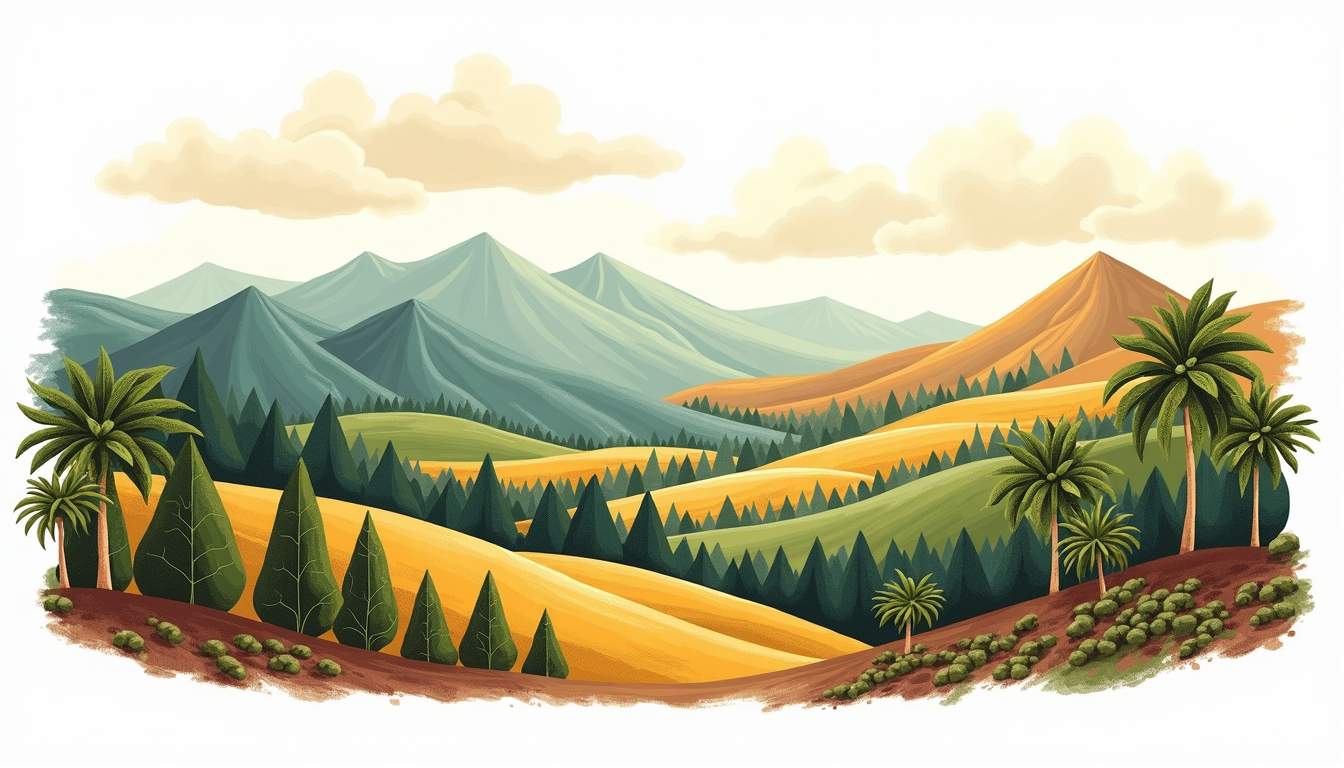
The volcanic soil in these regions is rich in minerals, lending a distinct brightness and complexity to the coffee. Frequent mist and rainfall keep the environment humid, which is ideal for Arabica coffee plants. This combination of factors makes Mexican coffee not just a beverage but a reflection of the land itself. The unique terroir of each region contributes to the diverse flavor profiles found in Mexican coffee, making it a favorite among coffee connoisseurs worldwide.
Chiapas: The Jewel of Mexican Coffee
Chiapas stands out as the largest coffee-producing state in Mexico. Its plantations are often family-run, passed down through generations. The region’s coffee is known for its medium body, balanced acidity, and notes of chocolate and nuts. Many farms here practice shade-grown coffee cultivation, which supports biodiversity and results in beans with richer flavors. This sustainable farming method not only preserves the ecosystem but also enhances the quality of the coffee, as the shade allows for a slower growth cycle, allowing the beans to develop their full flavor potential.
Visiting Chiapas during harvest season offers a glimpse into the labor-intensive process of coffee picking and processing. The community’s dedication to quality and sustainability shines through every cup. Local festivals celebrate the harvest, showcasing traditional music, dance, and culinary delights that highlight the region's rich cultural heritage. Tourists can engage with farmers, learning about the intricacies of coffee cultivation and the importance of fair trade practices that empower local communities.
Oaxaca and Veracruz: Diverse Profiles
Oaxaca’s coffee tends to be lighter in body with floral and fruity undertones, often described as having hints of citrus and jasmine. The region’s varied microclimates contribute to this diversity. The rich cultural tapestry of Oaxaca, with its indigenous roots, also influences coffee production, as many farmers incorporate traditional methods passed down through generations. This connection to heritage not only enhances the flavor but also tells a story with every sip, as consumers experience the essence of Oaxacan culture.
Veracruz, on the other hand, produces coffee with a fuller body and a slightly spicy finish, reflecting its warmer and more humid conditions. The coastal influence adds a unique twist to the flavor profile, making Veracruzian coffee a delightful exploration for the palate. The region is also known for its vibrant coffee festivals, where local producers showcase their best brews, allowing visitors to taste the diversity of flavors and learn about the innovative techniques being employed to enhance coffee quality. These events foster a sense of community and pride among farmers, as they share their passion for coffee with the world.
From Bean to Cup: Traditional Coffee Processing in Mexico
The journey of Mexican coffee from farm to cup involves meticulous care at every step. Many growers still use traditional methods that have been refined over centuries. Understanding these processes reveals why Mexican coffee stands out in the global market.
Harvesting: The Art of Selective Picking
Unlike mechanical harvesting, which collects all cherries regardless of ripeness, Mexican coffee farmers often handpick only the ripe cherries. This selective picking ensures that only the best beans make it to the next stage. It’s a labor-intensive practice but one that greatly enhances the final flavor. The harvest season typically runs from November to March, and during this time, families often come together to help with the picking, fostering a strong sense of community and tradition. The vibrant colors of the ripe cherries, ranging from deep red to yellow, create a picturesque scene in the lush coffee-growing regions, making the harvest not just a task, but a celebration of the land and its bounty.
Processing: Washed vs. Natural Methods
Most Mexican coffee is processed using the washed method. After harvesting, the cherries are pulped to remove the outer skin and then fermented to break down the mucilage. This process highlights the coffee’s bright acidity and clean flavors. However, some regions experiment with natural processing, where cherries are dried whole, imparting fruity and wine-like notes to the coffee. The choice of processing method can significantly influence the final taste profile, with washed coffees often exhibiting a crisp, clean finish, while natural coffees tend to be fuller-bodied and more complex. This diversity in processing methods showcases the adaptability of Mexican coffee producers and their commitment to quality, allowing them to cater to various palates and preferences in the global market.
Drying and Milling
Once processed, the beans are dried on patios or raised beds, often under the sun. Proper drying is crucial to prevent mold and preserve flavor. After drying, the parchment layer is removed during milling, revealing the green coffee beans ready for export or local roasting. The drying process can take several days, and farmers often monitor the beans closely, turning them regularly to ensure even drying. In some regions, traditional methods are complemented by modern technology, such as mechanical dryers, which can help achieve consistent results, especially during the rainy season. This blend of old and new techniques reflects the dedication of Mexican coffee producers to maintaining high standards while adapting to changing environmental conditions.
Flavor Profiles: What Makes Mexican Coffee Unique?
Mexican coffee is celebrated for its balance and subtle complexity. Unlike some coffees that hit you with bold, overpowering flavors, Mexican beans tend to offer a smooth, approachable cup with layers of taste that unfold gently.
Key Flavor Notes
Chocolate and nutty undertones are common across many Mexican coffees, providing a comforting base. Depending on the region, you might also detect bright citrus hints, floral aromas, or even a touch of spice. This variety makes Mexican coffee versatile, suitable for both espresso blends and drip brewing.
Body and Acidity
The body of Mexican coffee is generally medium, striking a pleasing balance between light and full-bodied. Its acidity is bright but never sharp, adding liveliness without overwhelming the palate. This makes it a favorite among those who appreciate nuanced but gentle coffee experiences.
Cultural Traditions and Coffee in Mexican Life
Coffee in Mexico is more than just a drink; it’s woven into the fabric of daily life and celebrations. From morning rituals to social gatherings, coffee plays a vital role.
Café de Olla: A Flavorful Tradition
One of Mexico’s most cherished coffee traditions is the preparation of café de olla. This rustic brew combines coffee with cinnamon and piloncillo (unrefined cane sugar), simmered together in a clay pot. The result is a warm, spiced coffee that’s both comforting and invigorating.
Café de olla is often enjoyed during chilly mornings or festive occasions, embodying the warmth and hospitality of Mexican culture.
Community and Coffee Markets
Local markets across Mexico often feature coffee vendors who roast beans fresh on-site, filling the air with enticing scents. These markets are hubs of social interaction, where coffee is shared, stories are exchanged, and traditions are passed down.
Sustainability and the Future of Mexican Coffee
As global demand for specialty coffee grows, Mexican producers face both opportunities and challenges. Many small-scale farmers are embracing sustainable practices to protect their land and improve coffee quality.
Shade-Grown Coffee and Biodiversity
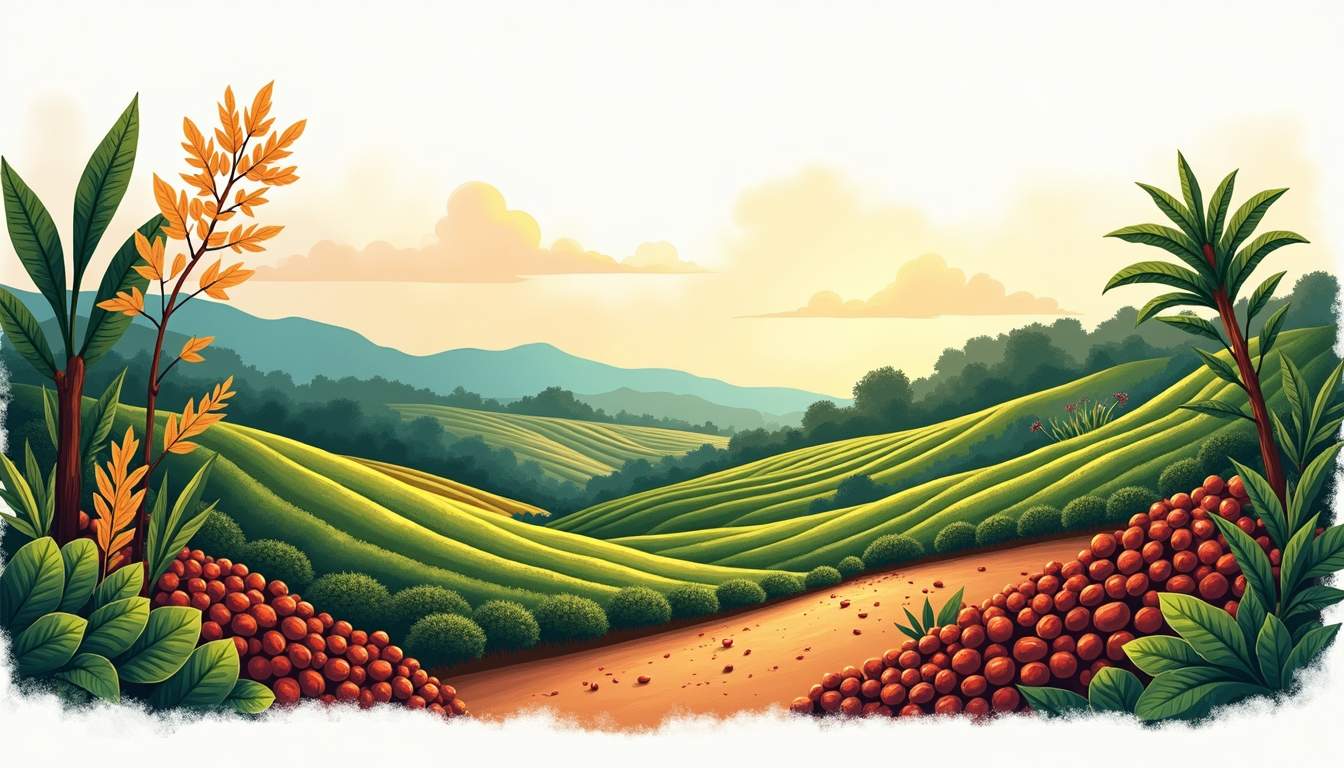
Shade-grown coffee cultivation preserves native trees and wildlife habitats. This method not only benefits the environment but also enhances the coffee’s flavor by creating a slower, more natural growth cycle for the beans.
Fair Trade and Direct Trade Initiatives
Efforts to connect farmers directly with buyers help ensure fair prices and better livelihoods. These initiatives encourage transparency and support communities, fostering a coffee industry that values both quality and ethics.
How to Enjoy Mexican Coffee at Home
Bringing the essence of Mexican coffee into your kitchen can be a rewarding experience. Here are some tips to get the most out of your brew.
Choosing the Right Beans
Look for 100% Arabica beans sourced from Mexico, ideally with information about the region and processing method. Freshness is key, so buy from reputable roasters who prioritize quality.
Brewing Methods
Mexican coffee shines in various brewing styles. For a traditional touch, try preparing café de olla by adding cinnamon sticks and piloncillo to your coffee grounds. Alternatively, a pour-over or French press can highlight the coffee’s delicate flavors.
Pairings
Mexican coffee pairs wonderfully with sweet breads like conchas or savory pastries. The subtle chocolate and nutty notes complement these treats perfectly, creating a balanced and satisfying snack.
Final Thoughts
Exploring Mexican coffee is a journey through diverse landscapes, rich traditions, and complex flavors. Each cup tells a story of the land, the people, and their dedication to craft. Whether you’re sipping café de olla in a bustling market or brewing a fresh pot at home, Mexican coffee offers a taste experience that’s both authentic and unforgettable.
Bring the Essence of Mexican Coffee into Your Home with Paddle & Pour
As you embark on your own journey through the rich flavors and traditions of Mexican coffee, Paddle & Pour invites you to enhance your experience with our curated selection of premium beans and coffee-inspired merchandise. Embrace the art of coffee with our cozy apparel, custom mugs, and personalized journals, designed to reflect your passion for every cup. With our subscription service, your favorite Mexican blends can arrive at your doorstep, ensuring you never miss a moment of indulgence. Shop Now and join us in celebrating the vibrant coffee culture of Mexico.