
Exploring the Rich Flavors of Single Origin Coffee
There’s a certain magic in the first sip of a single origin coffee. It’s not just about caffeine or the morning ritual-it’s about tasting a story, a place, and a craft all wrapped into one cup. Unlike blends, single origin coffee offers a unique glimpse into the terroir, climate, and culture of its birthplace. Each cup tells a different tale, and that’s what makes exploring these coffees so exciting.
What Makes Single Origin Coffee Special?
Single origin coffee comes from one specific location—sometimes a single farm, a region, or even a country. This focused sourcing means the beans reflect the distinctive characteristics of their environment. Soil composition, altitude, rainfall, and local farming practices all influence the flavor profile.

Think of it like wine. Just as a Chardonnay from Burgundy tastes different from one grown in California, coffee beans from Ethiopia will have a different flavor than those from Colombia or Sumatra. Single origin coffees are prized because they showcase these differences clearly, without the masking effect of blending.
Flavor Complexity and Nuance
When you drink a single origin coffee, you’re often greeted by vibrant and complex flavors. Citrus notes, floral aromas, berry undertones, or even hints of chocolate and spice can emerge. These flavors can be bright and acidic or deep and earthy, depending on where the beans come from.
For example, Ethiopian coffees are famous for their fruity and floral qualities, often with a bright acidity and a tea-like body. Meanwhile, coffees from Sumatra tend to be heavier, with earthy, herbal, and sometimes smoky notes. This diversity invites coffee lovers to explore and appreciate the subtle nuances that different growing regions impart.
Moreover, the processing methods used in single origin coffee can further enhance its unique flavor profile. For instance, the natural processing method, where cherries are dried in the sun before the beans are extracted, can lead to a sweeter, fruitier cup. In contrast, washed coffees, which undergo fermentation to remove the cherry before drying, often present a cleaner, more vibrant taste. This interplay of origin and processing creates a rich tapestry of flavors that can vary significantly from one batch to another, making each cup a unique experience.
Traceability and Ethical Sourcing
Single origin coffees often come with a story about the farmers and communities behind the beans. Many roasters emphasize transparency, allowing consumers to know exactly where their coffee was grown and how it was processed. This traceability supports ethical sourcing and fair trade practices.
Buying single origin coffee can be a way to support small-scale farmers who rely on specialty coffee markets. It encourages sustainable farming methods and helps preserve the unique agricultural heritage of coffee-growing regions. In many cases, these farmers are committed to organic practices, which not only benefit the environment but also enhance the quality of the coffee produced. By choosing single origin, consumers are not just indulging in a flavorful beverage; they are also making a conscious choice to support communities that prioritize quality and sustainability over mass production.
Additionally, many single origin coffees are cultivated in regions that face challenges such as climate change and economic instability. By purchasing these coffees, consumers can contribute to initiatives aimed at improving the livelihoods of coffee farmers and their families. Some companies even reinvest a portion of their profits back into the communities, funding education, healthcare, and infrastructure projects. This holistic approach to coffee sourcing not only elevates the quality of the product but also fosters a sense of global community and responsibility among consumers.
How Growing Regions Influence Coffee Flavor
Understanding the impact of geography on coffee flavor deepens appreciation for single origin brews. Let’s look at some key coffee-producing regions and what makes their beans stand out.
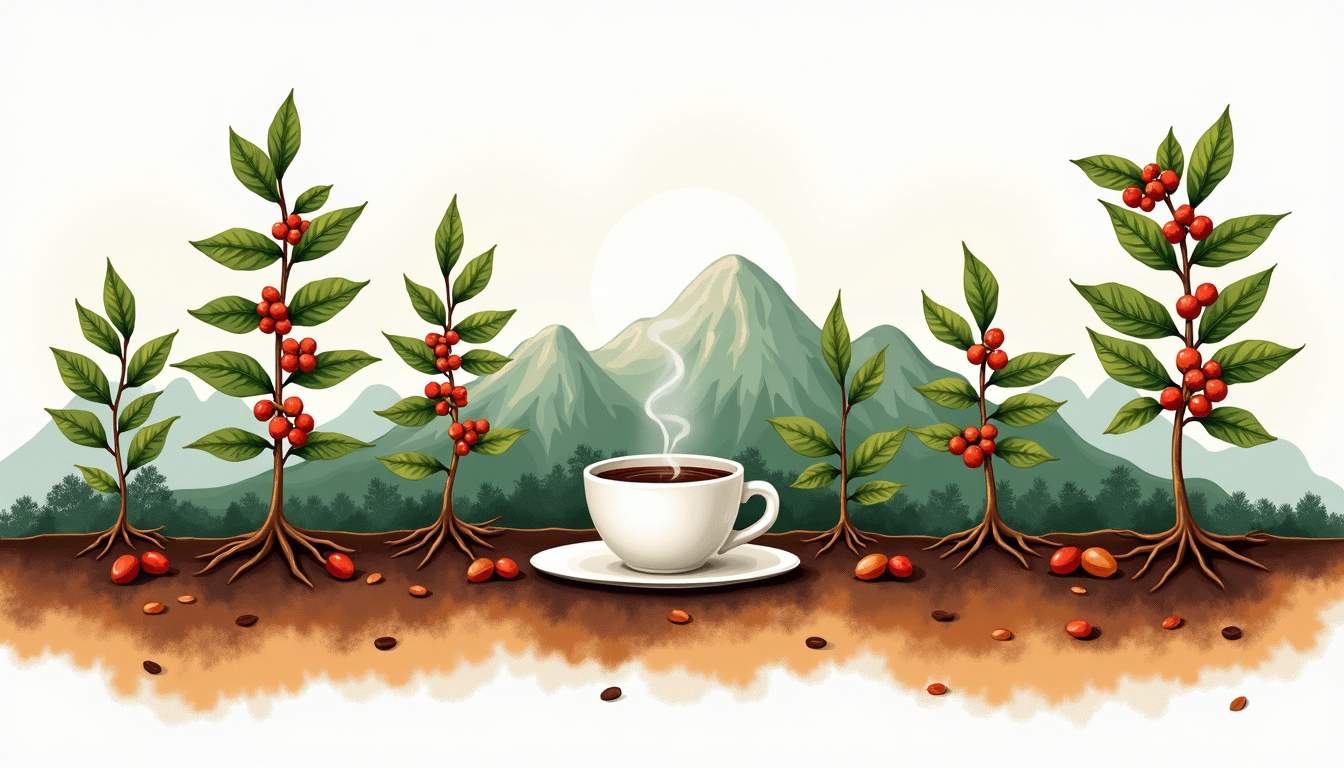
Ethiopia: The Birthplace of Coffee
Ethiopia is often called the birthplace of coffee, and its beans carry a rich legacy. Ethiopian coffees are typically washed or natural processed, which affects the flavor. Washed coffees tend to be cleaner and brighter, while natural processed beans have a fruitier, wine-like character.
Expect floral aromas, notes of jasmine or bergamot, and a lively acidity. These coffees often have a light to medium body, making them refreshing and complex. The diverse microclimates across Ethiopia, from the highlands to the lowland valleys, contribute to a wide range of flavor profiles. The heirloom varieties grown here are often cultivated in small farms, where traditional methods are still practiced, allowing for a deep connection between the land and the coffee produced.
Colombia: Balanced and Bright
Colombian coffee is known for its balance and approachability. Grown in the Andes mountains, the beans benefit from high altitude and consistent rainfall. The flavor profile often includes caramel sweetness, nutty undertones, and bright citrus or red fruit acidity.
Colombian single origins can range from medium to full-bodied, making them versatile for different brewing methods. The country’s commitment to quality is evident in its rigorous grading system, which ensures that only the finest beans reach consumers. Additionally, the cultural significance of coffee in Colombia is profound; it is not just an export but a way of life for many farmers, who take immense pride in their craft and the unique flavors that their specific regions impart.
Sumatra: Earthy and Bold
Sumatran coffees are unmistakable. The island’s unique wet-hulling process gives the beans a heavy body and earthy, herbal flavors. You might detect notes of dark chocolate, tobacco, and even a hint of spice.
These coffees are less acidic and more intense, perfect for those who enjoy a rich, bold cup. The lush, tropical climate of Sumatra, combined with its volcanic soil, creates an ideal environment for coffee cultivation. The local farmers often employ sustainable practices, such as shade-growing, which not only enhances the flavor but also protects the biodiversity of the region. This commitment to sustainability helps preserve the delicate ecosystems while producing some of the most sought-after beans in the coffee world.
Kenya: Vibrant and Fruity
Kenyan coffees are prized for their bright acidity and fruity flavors. Often described as wine-like, they can feature blackcurrant, grapefruit, and berry notes. The beans are typically wet-processed, resulting in a clean, crisp cup with a medium body.
The high altitudes of Kenya’s coffee-growing regions, combined with the rich volcanic soil, contribute to the unique flavor profiles that are celebrated worldwide. The meticulous harvesting process, where only the ripest cherries are selected, ensures that the quality remains high. Additionally, many Kenyan farmers are part of cooperatives, which not only empowers them economically but also fosters a sense of community and shared knowledge about best practices in coffee cultivation.
Guatemala: Complex and Spicy
Guatemalan coffees often have a full body with a complex flavor profile. Expect chocolate, spice, and sometimes smoky undertones, balanced by a bright acidity. The volcanic soil in regions like Antigua contributes to the richness and depth of these beans.
Moreover, the diverse climates across Guatemala—from the cooler highlands to the warmer valleys—allow for a variety of coffee styles and flavors. Many Guatemalan farmers are dedicated to organic farming practices, which not only enhance the quality of the coffee but also promote environmental sustainability. The cultural heritage of coffee in Guatemala is deeply intertwined with the local communities, where traditional methods and family-run farms play a crucial role in preserving the unique characteristics of their coffees.
Brewing Single Origin Coffee to Highlight Its Best Qualities
Brewing single origin coffee is an art. The goal is to bring out the unique flavors without overpowering or muting them. Different origins may shine with different brewing methods.
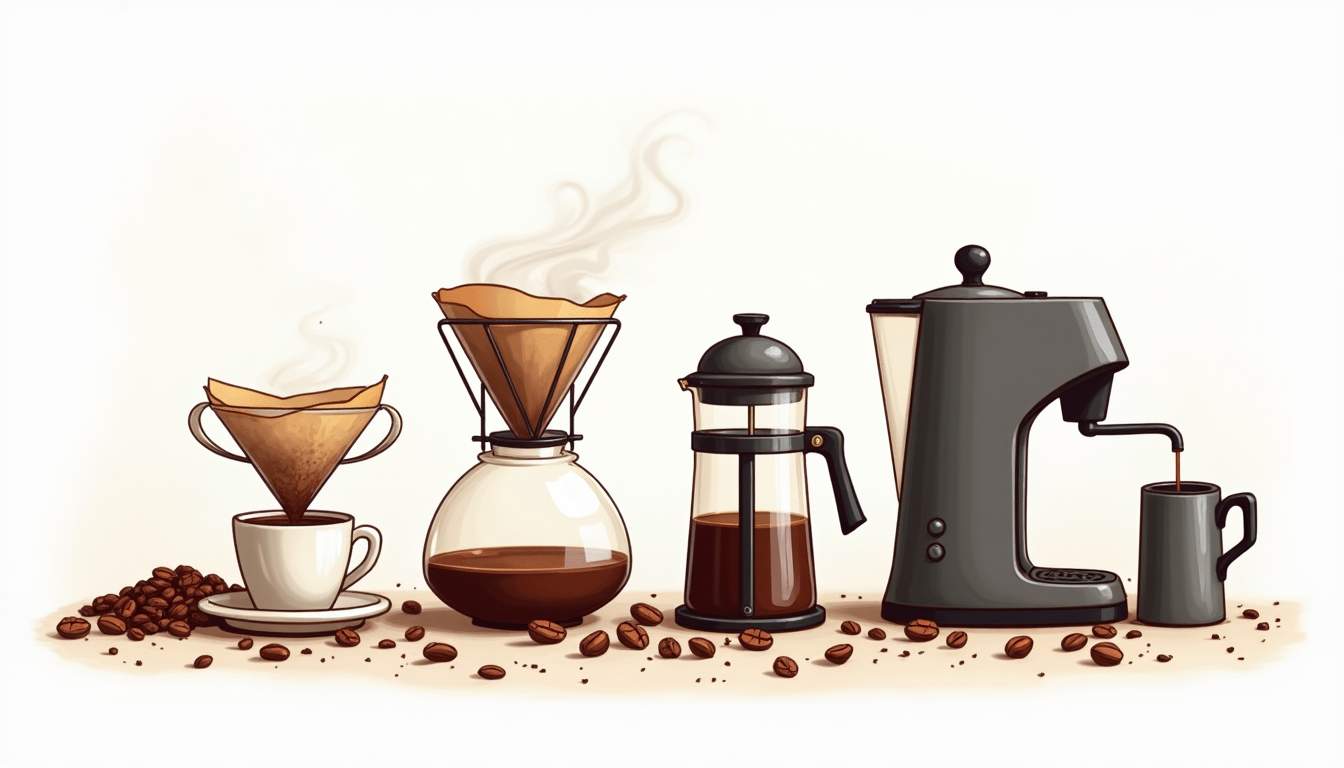
Pour-Over: Clarity and Precision
Pour-over brewing methods like the V60 or Chemex are excellent for single origin coffees with delicate, bright flavors. The slow, controlled extraction highlights clarity and brings forward subtle notes.
Using a medium grind and water just off the boil (around 200°F or 93°C) helps balance extraction. This method allows you to savor the nuanced aromas and crisp acidity typical of many African and Central American coffees.
French Press: Richness and Body
For single origins with a heavier body, such as Sumatran or some Guatemalan coffees, the French press works well. It extracts more oils and solids, resulting in a fuller, more textured cup.
Coarser grind and steeping for about four minutes are typical. This method emphasizes the earthy and chocolatey notes, making it a favorite for those who enjoy a bold coffee experience.
Aeropress: Versatility and Experimentation
The Aeropress offers flexibility that suits a wide range of single origin beans. You can experiment with grind size, water temperature, and steeping time to find the perfect balance.
This method can produce a clean cup with bright acidity or a richer, espresso-like shot, depending on your preferences. It’s a great tool for exploring how different brewing variables affect flavor.
Tasting and Appreciating Single Origin Coffee
Tasting single origin coffee is more than just drinking it-it’s about engaging your senses and understanding what makes each cup unique.
Look and Smell
Start by observing the coffee’s color and aroma. Freshly ground beans should have a vibrant, fragrant smell. When brewed, notice the aroma before sipping. Floral, fruity, nutty, or spicy scents can hint at the flavor profile.
Sip and Savor
Take small sips and let the coffee coat your palate. Notice the acidity, sweetness, bitterness, and body. Is the flavor bright and lively or deep and earthy? Does it linger or fade quickly?
Compare and Contrast
Try different single origin coffees side by side. This comparison sharpens your palate and helps you identify favorite flavor notes and regions. It’s also a fun way to learn about coffee’s diversity.
Conclusion: A Journey Worth Taking
Exploring single origin coffee is like traveling the world without leaving your kitchen. Each cup offers a window into a unique environment and culture. The variety of flavors, aromas, and textures makes every tasting an adventure.
Whether you prefer the bright and floral notes of Ethiopian beans or the bold, earthy richness of Sumatran coffee, single origin coffees invite curiosity and appreciation. They remind us that coffee is not just a drink but a craft shaped by nature and human hands.
Next time you brew a cup, take a moment to savor the story behind the beans. It’s a rich, flavorful journey worth every sip.
Continue Your Coffee Adventure with Paddle & Pour
Ready to take your love for single origin coffee to the next level? At Paddle & Pour, we share your passion for the rich stories behind every cup. Dive into our curated selection of premium single origin beans and enhance your brewing experience with our exclusive coffee-themed apparel and personalized merchandise. From the comfort of your home, you can shop for cozy tees, stylish hats, custom mugs, and more to express your coffee devotion. Plus, with our convenient subscription service, your favorite flavors are just a click away. Embark on a flavorful journey with Paddle & Pour and let us deliver the art of coffee directly to your doorstep. Shop Now and join our community of coffee aficionados.