
Exploring the Unique Flavors of Single Origin Coffee
Exploring the Unique Flavors of Single Origin Coffee
Imagine sipping a cup of coffee that tastes like a sun-drenched hillside in Ethiopia or a misty mountain range in Colombia. Each sip carries the story of its place of origin-its soil, altitude, climate, and the hands that harvested it. This is the magic of single origin coffee. Unlike blends, which mix beans from various regions, single origin coffee showcases the distinct character of one specific location, offering a flavor experience that’s as unique as a fingerprint.
What Is Single Origin Coffee?
Single origin coffee means the beans come from one geographic location. This could be a particular country, region, or even a single farm. The idea is to highlight the unique attributes that a specific environment imparts to the coffee beans. When you drink single origin coffee, you’re tasting the terroir—the natural factors like soil composition, altitude, rainfall, and temperature that influence the flavor.
It’s a bit like wine. Just as a grape grown in Napa Valley tastes different from one grown in Bordeaux, coffee beans from Guatemala will have different flavor notes than those from Kenya or Indonesia. Single origin coffee lets you explore these differences in a way blends often can’t.
For instance, Ethiopian coffees are often celebrated for their bright acidity and floral notes, thanks to the high altitudes and rich volcanic soils found in the region. On the other hand, Brazilian coffees tend to be smoother and nuttier, reflecting the country's diverse climate and farming practices. Each cup of single origin coffee tells a story of its origin, connecting the drinker to the farmers and the land where the beans were cultivated.
Moreover, single origin coffees often come with a traceability factor that many coffee enthusiasts appreciate. Many producers and roasters provide detailed information about the farm, the processing methods, and even the specific varietals used. This transparency not only enhances the tasting experience but also supports ethical sourcing practices, allowing consumers to make informed choices about their coffee consumption. By choosing single origin coffee, you are not just enjoying a unique flavor profile; you are also participating in a broader narrative about sustainability and the importance of preserving diverse coffee-growing regions around the world.
Why Single Origin Coffee Tastes Different
The Role of Terroir
Terroir is a French term originally used in wine to describe how environmental factors affect the taste of grapes. It’s just as relevant to coffee. The soil’s mineral content, the altitude at which the coffee is grown, the amount of rainfall, and even the microclimate all influence the bean’s development and flavor profile.
For example, coffee grown at high altitudes tends to develop more complex flavors and higher acidity. Beans from volcanic soils often have a bright, crisp quality. These subtle differences create a spectrum of flavors that can range from fruity and floral to earthy and chocolatey. Additionally, the proximity to the equator plays a significant role, as regions closer to it typically experience consistent temperatures and distinct wet and dry seasons, which can enhance the flavor nuances of the beans. This geographical diversity means that coffee lovers can explore a wide array of taste experiences simply based on the origin of the beans.
Processing Methods
How coffee beans are processed after harvest also affects their taste. Single origin coffees often use traditional or region-specific processing methods, such as washed, natural, or honey processing. Each method impacts flavor differently.
Washed coffees, which are cleaned of their fruit before drying, tend to be cleaner and brighter in flavor. Natural processed coffees, dried with the fruit still on the bean, often have more fruity and wine-like characteristics. Honey processing, where some of the fruit is left on during drying, strikes a balance between the two. Furthermore, the choice of processing method can also reflect the cultural practices of the region. For instance, in Ethiopia, where coffee originated, the natural processing method is prevalent, and it not only enhances the flavor but also connects the coffee to its rich heritage. This cultural significance adds another layer of appreciation for those who savor single origin coffees, as each cup tells a story of its journey from farm to cup, deeply rooted in the traditions of its locale.
Flavor Profiles from Different Regions
Single origin coffees offer a world tour of flavors. Here’s a look at some of the most celebrated coffee-growing regions and what you can expect from their beans.
Ethiopia: The Birthplace of Coffee
Ethiopian coffees are often prized for their vibrant, fruity, and floral notes. They can taste like blueberries, jasmine, or even bergamot. These coffees generally come from small farms or cooperatives in regions like Yirgacheffe and Sidamo.
The natural processing method is common here, which enhances the fruity complexity. Ethiopian coffee is a favorite among those who appreciate bright, tea-like qualities and a lively acidity. The unique terroir, characterized by high altitudes and diverse microclimates, plays a significant role in developing these distinct flavors. Additionally, many Ethiopian coffees are often hand-picked, ensuring only the ripest cherries are selected, which further elevates the quality and flavor profile of the brew.
Colombia: Balanced and Smooth
Colombian coffee is known for its balanced flavor profile, with medium acidity and a smooth, nutty body. Grown in the Andes mountains, these beans often have notes of caramel, chocolate, and citrus.
Most Colombian coffee is washed processed, which contributes to its clean and consistent taste. It’s a great choice for those who want a classic, approachable cup with subtle complexity. The country’s diverse climate and rich volcanic soil create ideal growing conditions, allowing for a variety of flavor nuances to emerge. Furthermore, Colombian coffee farmers often employ traditional methods passed down through generations, ensuring that each cup reflects the rich cultural heritage of the region.
Kenya: Bold and Bright
Kenyan coffee is famous for its bold acidity and intense fruit flavors, often reminiscent of blackcurrant, grapefruit, or tomato. The beans are typically grown at high altitudes and washed processed, resulting in a bright, crisp cup.
These coffees can be quite vibrant and sometimes even winey, making them a favorite for coffee enthusiasts who enjoy a lively and complex brew. The meticulous attention to detail in the cultivation and processing of Kenyan coffee is evident, as farmers often hand-pick the cherries at peak ripeness. Additionally, the unique growing conditions, including rich volcanic soils and ample rainfall, contribute to the exceptional quality of Kenyan beans, making them a sought-after choice in specialty coffee markets around the world.
Indonesia: Earthy and Full-Bodied
Indonesian coffees, especially those from Sumatra and Sulawesi, are known for their earthy, spicy, and full-bodied characteristics. They often have low acidity and a syrupy mouthfeel.
Many Indonesian coffees use a wet-hulled processing method unique to the region, which contributes to their distinctive flavor. These coffees are perfect for those who prefer a rich, bold cup with deep, smoky undertones. The wet-hulling process, known locally as "Giling Basah," allows for the preservation of the coffee's natural oils, resulting in a heavier body and more pronounced earthy flavors. Furthermore, the diverse ecosystems of Indonesia, with their lush rainforests and varied altitudes, provide a rich backdrop for coffee cultivation, allowing for a wide range of flavor profiles that reflect the unique characteristics of each island and region.
How to Taste Single Origin Coffee
Look, Smell, Sip
Tasting single origin coffee is an experience that engages all the senses. Start by observing the color and clarity of the brewed coffee. Then, inhale deeply to catch the aroma-this can give you clues about the flavors to come.
When you take your first sip, let the coffee coat your tongue. Notice the initial flavors, the body or mouthfeel, and the finish or aftertaste. Does it linger? Is it sweet, bitter, acidic, or smooth?
Experiment with Brewing Methods
The way you brew your coffee can highlight different aspects of its flavor. Pour-over methods like the V60 or Chemex tend to emphasize clarity and brightness, making them ideal for delicate single origin coffees.
French press or AeroPress can bring out more body and richness, which works well for fuller-bodied beans. Trying different grind sizes, water temperatures, and brew times can also reveal new dimensions in the coffee.
Why Single Origin Coffee Matters
Single origin coffee isn’t just about flavor-it’s about connection. When you drink a cup from a specific farm or region, you’re supporting farmers and communities directly. Many single origin coffees come from smallholder farmers who rely on fair trade or direct trade relationships to sustain their livelihoods.
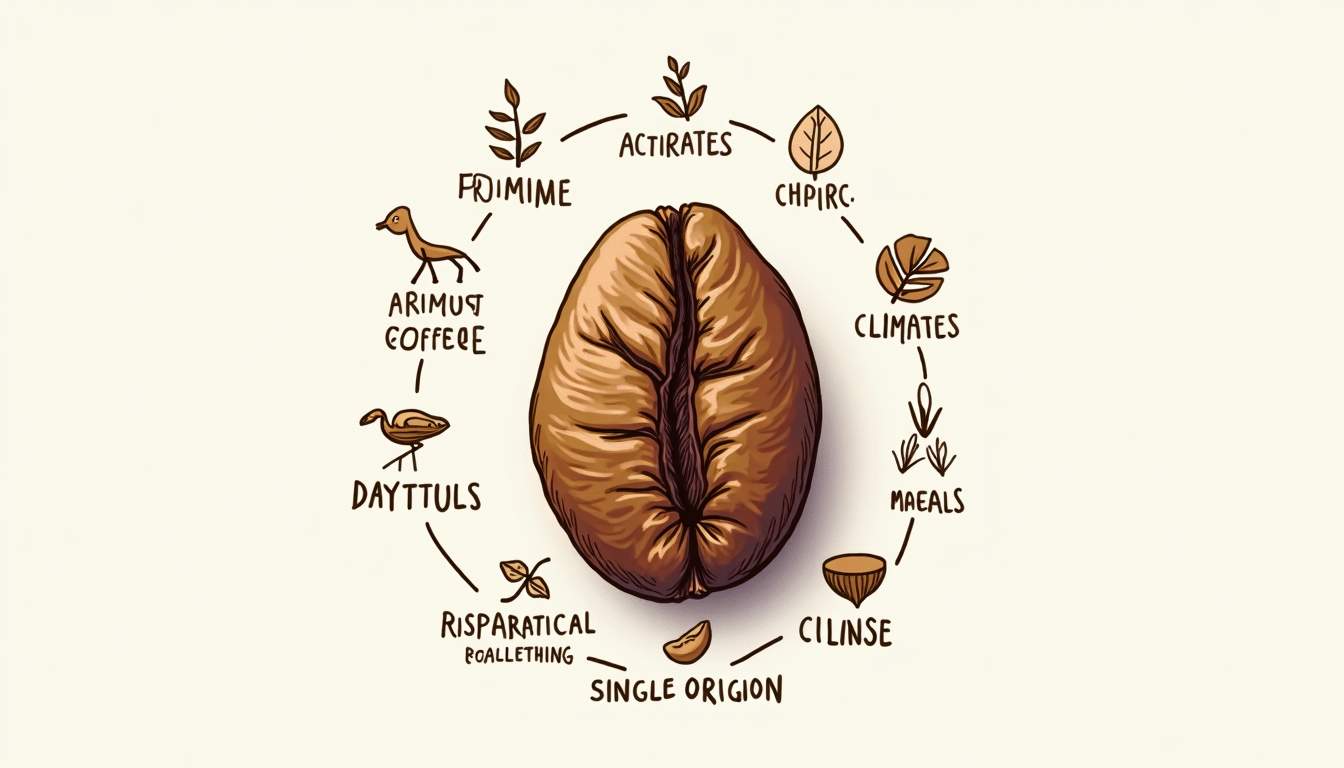
Additionally, single origin coffees often encourage transparency and traceability in the supply chain. You can learn where your coffee was grown, who grew it, and how it was processed. This level of detail fosters appreciation and respect for the craft behind every cup.
Choosing and Storing Single Origin Coffee
Freshness Is Key
Single origin coffee is best enjoyed fresh. Look for beans roasted within the last two to three weeks. Whole beans retain flavor longer than pre-ground coffee, so it’s worth investing in a grinder if you don’t have one.
Proper Storage
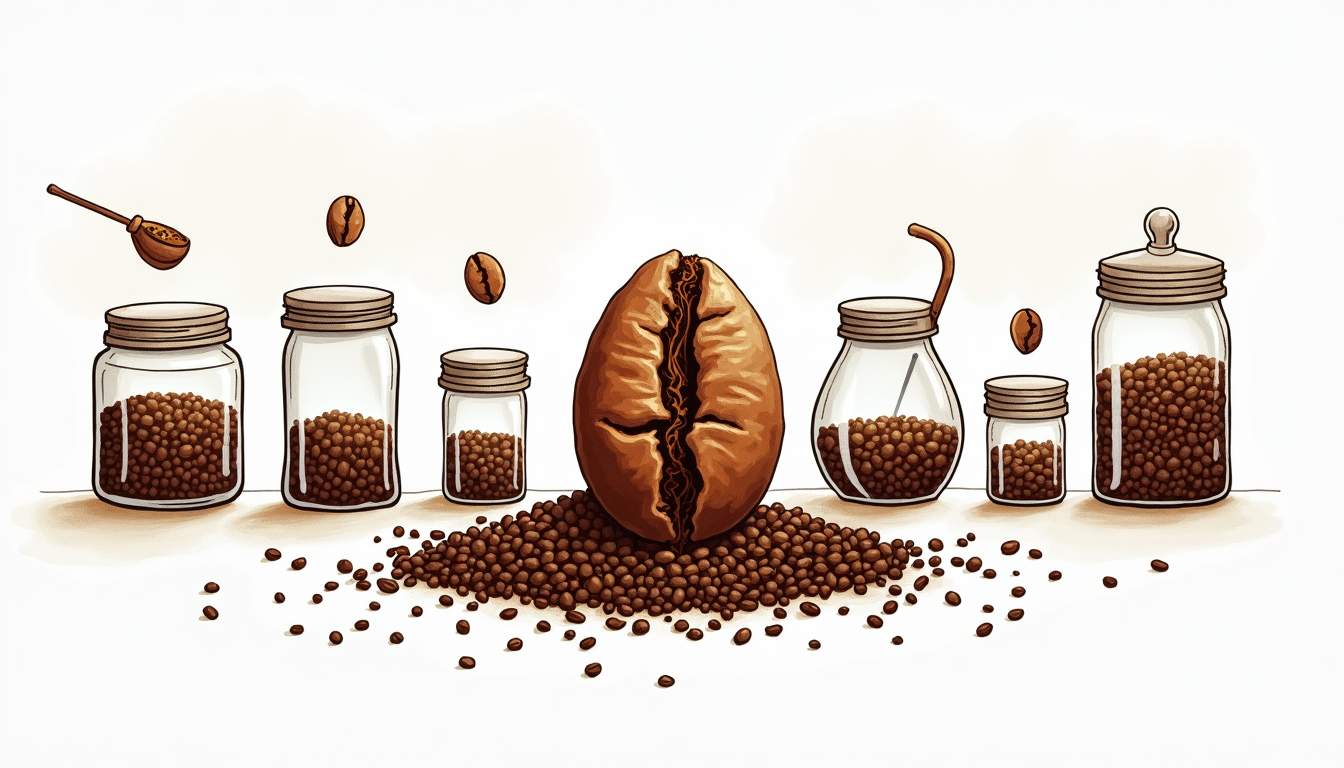
Store your coffee in an airtight container, away from heat, light, and moisture. Avoid the fridge or freezer, as condensation can damage the beans. A cool, dark pantry or cupboard works well.
Buy from Trusted Roasters
Choose roasters who specialize in single origin coffees and provide detailed information about the beans. Many roasters offer tasting notes and brewing tips to help you get the most out of your purchase.
Exploring Single Origin Coffee at Home
Trying different single origin coffees can be a fun and educational journey. Start by selecting a few from contrasting regions-perhaps an Ethiopian, a Colombian, and an Indonesian. Brew each using the same method and compare the flavors side by side.
Keep a journal of your tasting notes. Over time, you’ll develop a better understanding of what you enjoy and how different factors influence taste. This exploration can deepen your appreciation for coffee as more than just a morning pick-me-up.
Final Thoughts
Single origin coffee opens a window into the diverse world of coffee flavors. It invites you to slow down, savor, and connect with the stories behind each cup. Whether you prefer bright and fruity or rich and earthy, there’s a single origin coffee out there that speaks to your palate.

Next time you reach for your coffee, consider trying a single origin. It’s a delicious way to travel the globe without leaving your kitchen.
Discover More with Paddle & Pour
Ready to elevate your coffee experience? Paddle & Pour invites you to explore our curated selection of premium single origin beans that promise to tantalize your taste buds. But why stop there? Immerse yourself in the coffee lifestyle with our thoughtfully designed apparel and personalized merchandise. From cozy tees to custom mugs, we have everything to complement your coffee ritual. Plus, with our convenient subscription service, your favorite flavors are just a click away. Embrace the art of coffee and let us deliver the joy of discovery directly to your doorstep. Shop Now and join our community of coffee aficionados.