
How to Brew the Perfect Cup with a French Press
There’s something undeniably satisfying about pressing down that plunger and watching rich coffee grounds separate from a dark, aromatic brew. The French press is a classic coffee maker, beloved for its simplicity and the full-bodied coffee it produces. But making the perfect cup? That takes a little know-how.
Choosing the Right Coffee Beans
The foundation of any great cup is the coffee itself. Freshness is key. Look for whole beans roasted within the past two weeks. If you can, buy from a local roaster or a trusted specialty coffee shop. Beans start losing their flavor soon after roasting, so fresh is best. Many roasters will even provide a roast date on the bag, which can help you make informed choices. Additionally, consider the storage conditions of the beans; they should be kept in an airtight container away from light, heat, and moisture to preserve their freshness for as long as possible.
Medium to coarse grind size is essential for the French press. Too fine, and you’ll end up with a muddy, over-extracted cup. Too coarse, and the coffee will be weak and under-extracted. A consistency similar to breadcrumbs is ideal. It's also worth noting that the grind size can significantly affect the extraction time. A coarser grind will require a longer steeping time, typically around four minutes, to achieve the desired flavor. Experimenting with grind size and steeping time can lead to discovering your perfect cup, so don’t hesitate to adjust these variables.
Single-origin beans often highlight unique flavor profiles, but blends can offer a balanced and approachable cup. Experiment with different origins to find what suits your palate. For example, Ethiopian beans are known for their fruity and floral notes, while Colombian beans often provide a nutty and chocolatey flavor. Understanding the characteristics of beans from different regions can enhance your coffee experience. Additionally, consider the processing methods, such as washed or natural, as these can also influence the final taste. By exploring various beans and their origins, you can embark on a delightful journey through the world of coffee, discovering new flavors and aromas that resonate with your preferences.
Grinding Your Coffee Correctly
Grinding just before brewing ensures maximum freshness. Burr grinders are the best choice because they produce a consistent grind size. Blade grinders can create uneven particles, leading to uneven extraction. This inconsistency can result in some coffee grounds being over-extracted, while others remain under-extracted, ultimately affecting the flavor profile of your cup. Investing in a quality burr grinder can significantly enhance your coffee experience, allowing you to unlock the full potential of your beans.
Set your grinder to a coarse setting. The grounds should be chunky but not so large that water flows through too quickly. If you notice your coffee tastes sour or weak, try a slightly finer grind next time. If it tastes bitter or gritty, go coarser. Experimenting with grind size is part of the fun of brewing coffee at home; it allows you to tailor each cup to your personal taste preferences. Additionally, consider the brewing method you are using, as different methods such as French press, pour-over, or espresso require specific grind sizes to achieve optimal flavor extraction.
Moreover, the type of coffee bean you choose can also influence the grind size. For instance, lighter roasts often benefit from a slightly finer grind to help extract their delicate flavors, while darker roasts may shine with a coarser grind that emphasizes their boldness. Don't hesitate to take notes on your grind settings and the resulting flavors, as this can help you refine your technique over time. Remember, the journey to the perfect cup of coffee is as enjoyable as the final sip!
Water Quality and Temperature Matter
Water makes up about 98% of your coffee, so it’s worth paying attention to. Use filtered water if possible. Tap water can contain chlorine or other impurities that affect flavor. Additionally, the mineral content of the water can significantly influence the extraction process. For instance, water that is too soft may lead to under-extraction, resulting in a sour taste, while overly hard water can cause over-extraction, leading to bitterness. Therefore, finding a balance in mineral content is crucial for achieving that perfect cup of coffee.
The ideal brewing temperature is just off the boil—around 195°F to 205°F (90°C to 96°C). Boiling water will scorch the coffee grounds, resulting in bitterness. Let boiling water sit for about 30 seconds before pouring. This temperature range is essential for optimal extraction, as it allows the coffee’s delicate flavors and aromas to be released without burning the beans. Different brewing methods may require slight adjustments to this temperature range; for instance, French press coffee benefits from a slightly cooler temperature, while espresso may thrive at the higher end of the spectrum. Experimenting with temperature can lead to delightful variations in flavor profiles, allowing you to discover new favorites in your coffee journey.
Perfecting the Coffee-to-Water Ratio
The standard ratio for French press coffee is about 1:15, which means one part coffee to fifteen parts water by weight. For example, 30 grams of coffee to 450 grams of water. This ratio can be adjusted depending on how strong you like your coffee. If you prefer a bolder flavor, you might experiment with a 1:12 ratio, while those who enjoy a milder cup might opt for 1:17. The beauty of the French press lies in its versatility, allowing you to customize your brew to suit your palate.
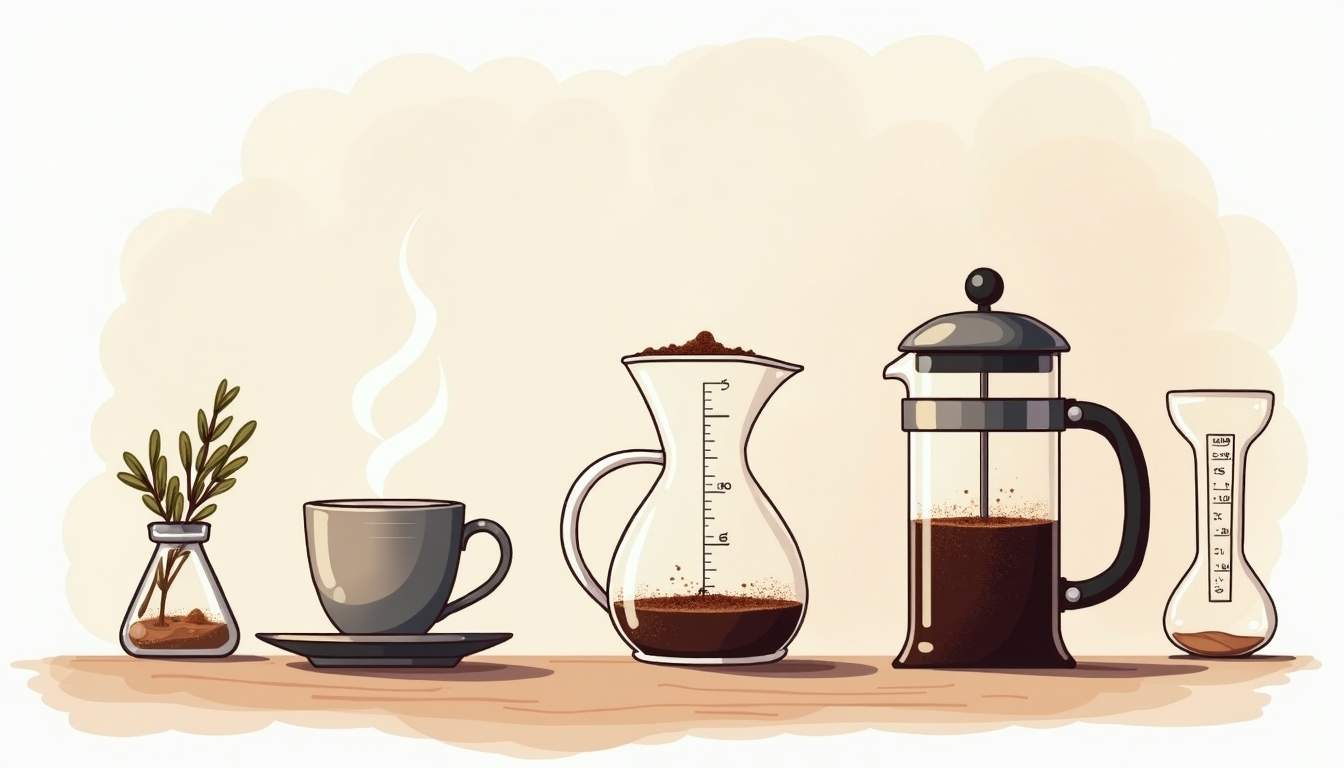
Using a kitchen scale is the easiest way to get this right. Measuring by volume (like tablespoons) can be inconsistent because grind size and bean density vary. A finer grind will yield a stronger brew, while a coarser grind will produce a lighter cup. Additionally, the freshness of your coffee beans plays a crucial role. Freshly roasted beans will have a more vibrant flavor profile, so it's worth investing in high-quality beans and storing them properly to maintain their freshness.
Another factor to consider is the water temperature. Ideally, the water should be between 195°F to 205°F (90°C to 96°C) when it meets the coffee grounds. Water that is too hot can extract undesirable bitter flavors, while water that is too cool may result in under-extraction, leaving you with a flat taste. To achieve the perfect temperature, you can bring your water to a boil and then let it sit for about 30 seconds before pouring it over the coffee grounds. This attention to detail can elevate your French press experience significantly.
Lastly, don't forget about the steeping time. A typical steeping time for French press coffee is around four minutes, but this can also be adjusted based on your taste preferences. If you enjoy a richer flavor, you might allow it to steep for a bit longer, but be cautious, as over-steeping can lead to a bitter brew. Experimenting with different ratios, grind sizes, and steeping times will help you discover your ideal cup of coffee, making each brewing session a delightful exploration of flavor.
Step-by-Step Brewing Process
1. Preheat Your French Press
Pour hot water into the empty French press to warm it up. This helps maintain the brewing temperature. Swirl the water around and then discard it.
2. Add Coffee Grounds
Place your freshly ground coffee into the French press. Make sure it’s evenly distributed.
3. Pour Hot Water
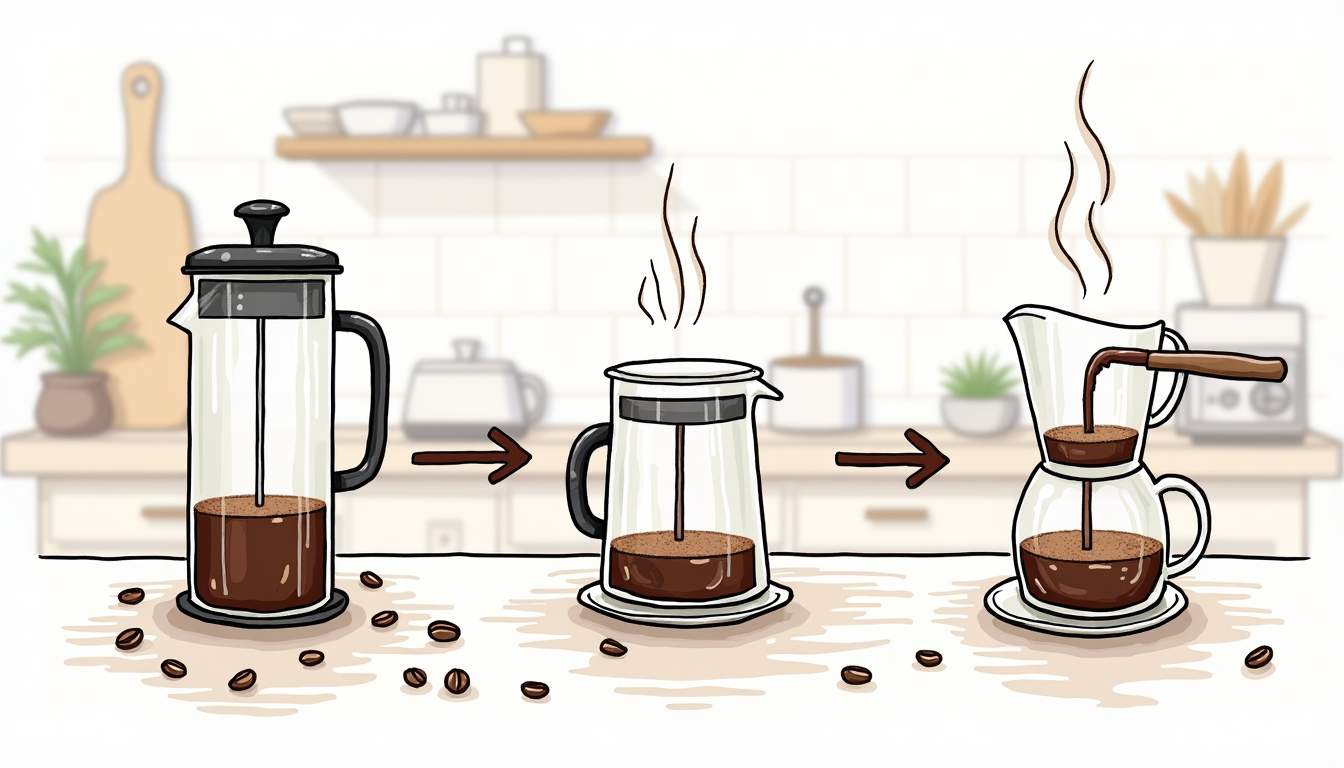
Start by pouring a small amount of hot water over the grounds, just enough to saturate them. Let it bloom for about 30 seconds. This releases carbon dioxide and enhances flavor extraction.
After blooming, pour the rest of the water evenly over the grounds. Give the mixture a gentle stir with a wooden or plastic spoon to ensure all grounds are wet.
4. Steep
Place the lid on with the plunger pulled all the way up. Let the coffee steep for four minutes. Some prefer a little less or more time, but four minutes is a great starting point.
5. Press and Serve
Slowly press the plunger down, applying steady pressure. Pour the coffee immediately to avoid over-extraction and bitterness.
Tips for Enhancing Your French Press Experience
Don’t leave coffee sitting in the French press after plunging-it will continue to extract and become bitter. Transfer it to a thermal carafe if you want to keep it warm.
Experiment with different beans, grind sizes, and steep times to find your perfect balance. Keep notes on what you like and don’t like.
Cleaning your French press thoroughly after each use prevents old oils and residues from spoiling future brews. Disassemble the plunger and rinse all parts with warm, soapy water.
Common Mistakes to Avoid
Using too fine a grind is the most common error. It leads to a sludgy cup and can clog the filter. Stick to a coarse grind.
Not preheating the French press can cause temperature drops during brewing, resulting in under-extracted coffee.
Oversteeping or leaving coffee in the press after plunging will make it bitter and unpleasant.
Why Choose a French Press?
The French press offers a hands-on brewing experience that highlights the coffee’s natural oils and flavors. Unlike drip machines or pods, it doesn’t use paper filters that absorb oils, so your cup has a richer mouthfeel.
It’s also incredibly versatile. You can brew small or large batches, and it’s portable enough to take camping or to the office. Plus, it’s easy to clean and doesn’t rely on electricity.
Final Thoughts
Brewing the perfect cup with a French press is about attention to detail and a bit of practice. Fresh beans, the right grind, clean water, and proper timing all come together to create a delicious, full-bodied coffee.
Once you get the hang of it, the French press becomes more than just a coffee maker-it’s a ritual, a moment of calm, and a way to start your day on the right note.
Enhance Your French Press Experience with Paddle & Pour
Ready to take your French press ritual to the next level? At Paddle & Pour, we share your passion for that perfect cup. Dive into our curated selection of premium beans, and surround yourself with our specially designed coffee apparel and personalized merchandise. From comfortable tees to custom mugs, we have everything to enrich your coffee moments. Plus, with our subscription service, you'll never run out of your favorite roasts. Embrace the art of coffee and let our unique products add to the joy of your brewing journey. Shop Now and bring the essence of Paddle & Pour into your daily coffee ritual.