
The Impact of Plastic Waste on Coral Reefs: A Growing Environmental Concern
Every year, millions of tons of plastic end up in the ocean, drifting, breaking down, and settling into some of the most vibrant ecosystems on Earth. Coral reefs, often called the rainforests of the sea, are among the hardest hit. These underwater structures are not just beautiful; they support a quarter of all marine life. Yet, plastic waste is choking their existence in ways that are both visible and hidden beneath the waves.
How Plastic Finds Its Way to Coral Reefs
Plastic pollution in the ocean doesn’t just appear out of nowhere. It starts on land—discarded bottles, bags, fishing gear, and microplastics from everyday products. Rain and wind carry these plastics into rivers and streams, which eventually funnel them into the sea. Ocean currents then distribute this debris across vast distances, sometimes depositing it right onto coral reefs.
Coral reefs are often located near coastlines where human activity is dense. Tourist beaches, fishing communities, and urban centers all contribute to the plastic load. Even remote reefs aren’t safe; floating plastics can travel thousands of miles, carried by currents like the Great Pacific Garbage Patch, reaching reefs far from human settlements. The sheer volume of plastic entering the oceans is staggering, with millions of tons estimated to flow into marine environments each year. This influx not only threatens the aesthetic beauty of these underwater ecosystems but also endangers the myriad species that rely on coral reefs for habitat and sustenance.
The Role of Microplastics
Microplastics—tiny plastic particles less than 5 millimeters in size—are particularly insidious. They originate from the breakdown of larger plastic items or from products like exfoliating scrubs and synthetic clothing fibers. These minuscule particles are easily ingested by marine organisms, including the tiny creatures that live in and around coral reefs. Research has shown that microplastics can accumulate in the bodies of fish and other marine life, potentially entering the food chain and affecting larger predators, including humans.
Because microplastics are so small, they can penetrate the delicate structures of corals and the surrounding sediment. This infiltration disrupts the natural balance of the reef ecosystem, often with damaging consequences. Corals may struggle to obtain the nutrients they need for growth and reproduction, leading to weakened structures that are more susceptible to disease and bleaching. Additionally, the presence of microplastics can alter the behavior of marine organisms, affecting their ability to feed, reproduce, and evade predators. As these tiny particles continue to invade coral reefs, the long-term health of these vital ecosystems hangs in the balance, highlighting the urgent need for comprehensive strategies to combat plastic pollution on a global scale.
Direct Effects of Plastic on Coral Health
Plastic debris physically harms coral reefs in multiple ways. Large plastic items can smother corals, blocking sunlight and reducing the water flow essential for their survival. When corals are covered by plastic, their ability to photosynthesize—thanks to the symbiotic algae living in their tissues—is severely compromised. This disruption not only affects the corals themselves but also the entire ecosystem that relies on them, as corals serve as foundational species in marine environments.
Additionally, plastic can cause physical injuries to corals. Sharp edges or abrasive surfaces may scrape or puncture coral polyps, leaving them vulnerable to infections and diseases. This damage weakens the coral’s structure and reduces its ability to grow and reproduce. Over time, the accumulation of such injuries can lead to a decline in coral populations, which in turn affects the myriad species that depend on healthy coral reefs for food and habitat. The loss of biodiversity can create a cascading effect, leading to a less resilient ecosystem overall.
Plastic as a Vector for Disease
One of the more alarming impacts is how plastic acts as a carrier for harmful microbes. Bacteria, viruses, and fungi can hitch a ride on plastic debris, introducing pathogens to coral reefs that might not otherwise be present. Studies have shown that corals in contact with plastic are significantly more likely to suffer from diseases such as white syndrome and black band disease. The presence of these pathogens can lead to rapid coral mortality, further destabilizing already vulnerable reef systems.
This transmission of disease exacerbates the already fragile state of many reefs, especially those stressed by warming waters and acidification. The interaction between climate change and plastic pollution creates a perfect storm for coral health, as stressed corals are less able to fend off infections. Furthermore, the presence of plastics can alter the natural microbial communities surrounding corals, potentially favoring pathogenic species over beneficial ones. This shift not only threatens the immediate health of coral populations but also poses long-term risks to the ecological balance of marine environments, highlighting the urgent need for comprehensive strategies to address both plastic pollution and climate change in tandem.
Indirect Consequences on Reef Ecosystems
Plastic pollution doesn’t just affect corals directly; it disrupts the entire reef ecosystem. Coral reefs are home to countless species—from fish and crustaceans to sponges and sea turtles—that rely on the reef for shelter and food. When plastics enter this environment, they alter the natural balance. The introduction of these foreign materials can lead to a cascade of negative effects, impacting not only the physical structure of the reef but also the intricate relationships that exist among its inhabitants. For instance, the presence of plastic debris can smother corals, blocking sunlight and hindering their ability to photosynthesize, which is crucial for their growth and survival.
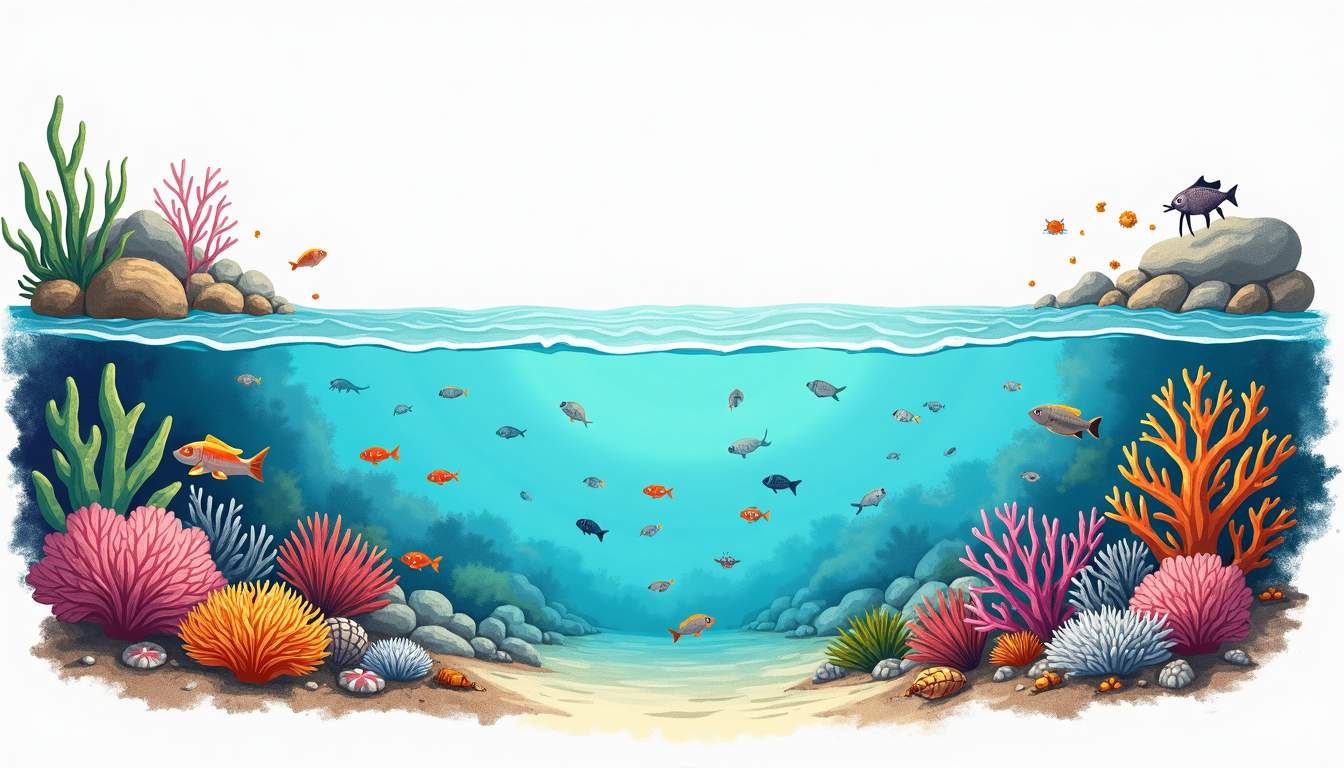
For example, fish and other marine animals often mistake plastic for food. Ingesting plastic can cause internal injuries, block digestive tracts, and even lead to starvation. Predators that feed on these affected animals may also suffer from the accumulation of toxic substances found in plastics. Additionally, microplastics, which are tiny plastic particles that result from the breakdown of larger items, can be absorbed by smaller marine organisms, entering the food chain and posing risks to larger species, including humans. This bioaccumulation of toxins can have far-reaching implications, affecting not just marine life but also the health of coastal communities that depend on these ecosystems for their livelihoods.
Impact on Reef Biodiversity
As plastic pollution increases, the diversity of life on reefs declines. Species that are more sensitive to changes in water quality or physical habitat may disappear, while more resilient but less ecologically valuable species take over. This shift reduces the complexity and resilience of the reef ecosystem, making it less able to recover from other stresses like climate change. Moreover, the loss of biodiversity can disrupt the essential services that reefs provide, such as coastal protection, tourism, and fisheries, ultimately impacting economic stability for communities that rely on these resources.
Furthermore, the presence of plastics can lead to changes in the behavior of marine species. For example, fish may alter their feeding patterns or habitats to avoid areas with high plastic concentrations, which can lead to decreased reproductive success and altered population dynamics. The long-term consequences of these behavioral changes can be profound, as they may affect not only the species directly involved but also the entire food web that relies on healthy, functioning reefs. As the balance of the ecosystem shifts, the interconnected relationships among species become strained, potentially leading to a decline in overall reef health and resilience.
Climate Change and Plastic Pollution: A Dangerous Duo
Coral reefs are already struggling with rising ocean temperatures and acidification caused by increased carbon dioxide levels. These factors cause coral bleaching and weaken the corals’ ability to build their calcium carbonate skeletons. Plastic pollution adds another layer of stress.
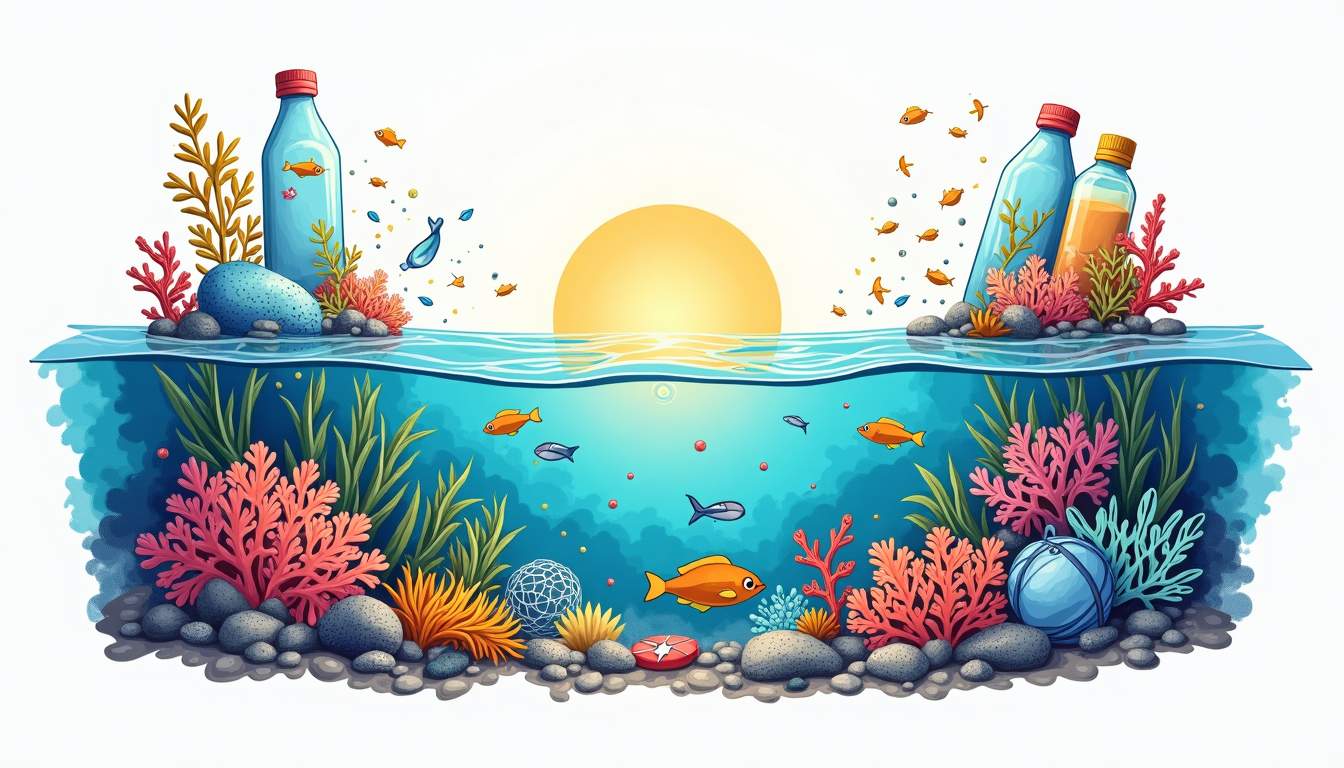
When combined, the effects of warming waters and plastic debris can be devastating. Bleached corals are more vulnerable to disease, and plastic can introduce pathogens or cause physical damage that pushes stressed corals over the edge. The interaction between these threats accelerates reef degradation faster than either factor alone.
Synergistic Effects on Coral Resilience
Research suggests that plastic pollution may reduce the resilience of coral reefs to climate change. Corals burdened with plastic waste have lower growth rates and reproductive success. This means fewer new corals to replace those lost to bleaching events or storms.
In some cases, plastic debris can even interfere with coral larvae settlement, preventing the next generation of corals from establishing themselves. Without healthy recruitment, reefs cannot maintain their populations or recover from damage.
Efforts to Combat Plastic Pollution on Coral Reefs
Addressing plastic pollution requires action on multiple fronts. Coastal cleanups, waste management improvements, and public education campaigns are essential to reduce the amount of plastic entering the ocean. Many organizations and communities are stepping up to tackle this problem.
Innovative technologies like biodegradable fishing gear and alternatives to single-use plastics offer hope for the future. Governments are also implementing policies to restrict plastic production and improve recycling rates.
Community Involvement and Awareness
Local communities near coral reefs play a critical role. Empowering these groups with knowledge and resources helps reduce plastic waste at the source. Beach cleanups and citizen science projects engage people directly, fostering a sense of stewardship for their marine environment.
Tourism industries are also becoming more aware of their impact. Eco-friendly tourism practices that minimize plastic use and promote reef conservation are gaining traction, benefiting both reefs and local economies.
What Individuals Can Do to Help
Every person has a role in protecting coral reefs from plastic pollution. Simple actions like reducing single-use plastics, properly disposing of waste, and supporting sustainable products can make a difference. Choosing reef-safe sunscreens and avoiding products with microbeads also helps reduce chemical and plastic contamination.

Supporting organizations dedicated to marine conservation and spreading awareness about the issue amplifies the impact. The health of coral reefs depends on collective effort, from local communities to global citizens.
Reducing Plastic Footprint
Switching to reusable bags, bottles, and containers cuts down on the plastic that could end up in the ocean. Participating in or organizing local cleanups removes debris before it reaches reefs. Advocating for stronger environmental policies encourages systemic change.
Ultimately, the fight against plastic pollution is about preserving the incredible biodiversity and beauty of coral reefs for future generations. Every piece of plastic kept out of the ocean is a step toward healthier reefs and a healthier planet.
Join Paddle & Pour in Protecting Our Oceans
As you savor the richness of your morning brew, remember that our choices have a ripple effect on the world's coral reefs. Paddle & Pour invites you to be part of the solution. With every purchase of our premium coffee and eco-friendly merchandise, you're supporting a brand that cares deeply about the environment. Enhance your coffee ritual while contributing to the health of our oceans. Shop Now and make a difference with Paddle & Pour.