
The Impact of Plastic Waste on Whales: A Growing Environmental Concern
On a remote beach, a massive whale carcass washes ashore. As rescuers examine the animal, they discover its stomach packed with plastic bags, fishing nets, and countless fragments of debris. This tragic scene is becoming alarmingly common. Whales, the gentle giants of the ocean, are increasingly threatened by the plastic waste humans discard carelessly. The scale of this problem is vast, touching every ocean and affecting multiple whale species.
How Plastic Enters the Ocean and Affects Marine Life
Plastic waste doesn't just vanish once it leaves our hands. It travels—sometimes thousands of miles—before settling in the ocean. Single-use items like bottles, bags, and packaging break down into microplastics, tiny particles that infiltrate marine ecosystems. Larger debris, such as fishing gear and discarded nets, can entangle sea creatures, leading to injury or death.
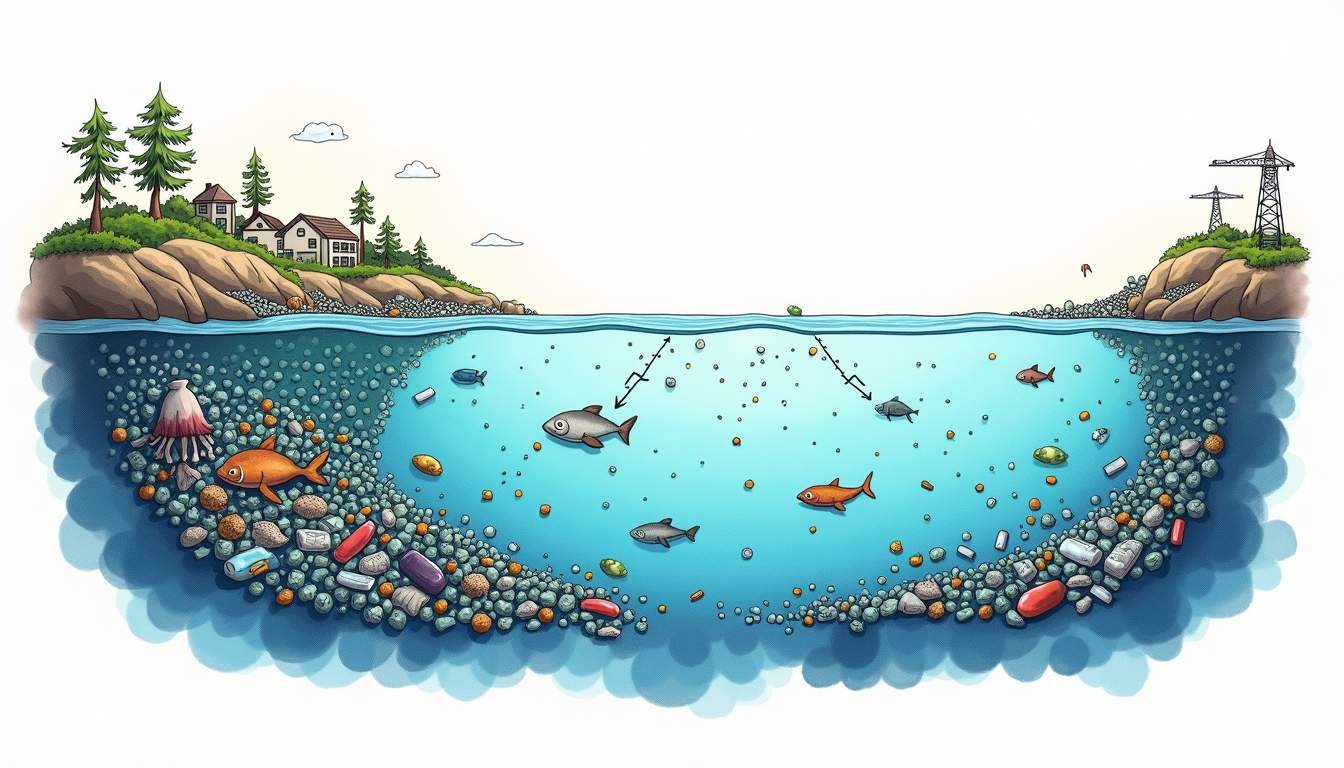
Whales are particularly vulnerable due to their feeding habits. Many species are filter feeders, gulping huge volumes of water to capture krill and small fish. Unfortunately, this method can also draw in plastic debris. When whales ingest plastic, it can block their digestive systems, cause internal injuries, or introduce toxic chemicals. The consequences are often fatal.
The Journey of Plastic Waste
Plastic pollution originates from land-based sources like urban runoff, littering, and inadequate waste management. Rivers act as highways, carrying plastics from cities to the sea. Once in the ocean, currents distribute debris across vast distances. Some plastics float on the surface, while others sink, affecting different layers of the marine environment.
This widespread distribution means that even remote whale habitats are not safe. Whales migrate across oceans, encountering polluted zones along their routes. The pervasive nature of plastic pollution makes it a global issue, not confined to any single region. Furthermore, the impact of plastic waste extends beyond whales; it affects a myriad of marine species, from the smallest plankton to the largest fish. These organisms can mistake microplastics for food, leading to ingestion that disrupts their growth and reproduction. As these plastics move up the food chain, they accumulate in larger predators, posing risks not only to marine life but also to human health, as we consume seafood contaminated with these harmful substances.
In addition to the physical dangers posed by plastic, there are also significant ecological consequences. Coral reefs, which are vital to marine biodiversity, can suffer from the smothering effects of plastic debris. When plastics accumulate on reefs, they can block sunlight and hinder the growth of coral polyps, leading to bleaching and death of these essential organisms. The loss of coral reefs not only diminishes marine habitats but also impacts the fishing industries and coastal communities that rely on healthy oceans for their livelihoods. The interconnectedness of these ecosystems highlights the urgent need for comprehensive strategies to combat plastic pollution and protect marine life.
Direct Impacts of Plastic on Whale Health
When whales consume plastic, the effects can be devastating. Ingested plastic can cause blockages in the stomach and intestines, preventing proper digestion and leading to starvation. Sharp objects can puncture or tear internal tissues, resulting in infections or hemorrhaging. Additionally, plastics often contain harmful chemicals like BPA and phthalates, which can disrupt hormonal systems and weaken immune responses. The long-term exposure to these toxins can lead to chronic health issues, including reproductive failures and decreased fertility rates, which threaten the survival of entire populations.
The ingestion of microplastics, tiny plastic particles less than five millimeters in size, poses an additional risk. These particles can accumulate in the tissues of whales, causing cellular damage and potentially entering the food chain. As apex predators, whales are at the top of this chain, meaning that the consequences of microplastic ingestion can ripple through the ecosystem, affecting not only their health but also the health of other marine species and the ocean environment as a whole.
Case Studies of Plastic Ingestion
Several documented cases highlight the severity of this issue. For instance, a sperm whale found dead on a beach in Spain had over 29 kilograms of plastic waste in its stomach, including bags, ropes, and fishing nets. Similarly, a Bryde’s whale in Thailand died after swallowing more than 80 plastic bags. These stories are heartbreaking but serve as crucial evidence of the scale at which plastic affects whales. In another case, a juvenile humpback whale was discovered in Australia with a significant amount of plastic debris lodged in its throat, illustrating how even younger, less experienced whales can fall victim to this growing problem. Each incident not only underscores the immediate dangers of plastic ingestion but also raises awareness about the broader implications for marine biodiversity and conservation efforts.
Entanglement and Physical Harm
Beyond ingestion, whales face dangers from entanglement in discarded fishing gear, known as “ghost nets.” These nets can wrap around fins, tails, or mouths, restricting movement and causing deep wounds. Entangled whales may drown if they cannot reach the surface to breathe or become vulnerable to predators and infections. Efforts to rescue entangled whales are challenging and often risky for both animals and humans. Marine mammal rescue teams work tirelessly to disentangle these majestic creatures, employing specialized equipment and techniques. However, the success rate can be low, and the stress of the entanglement can lead to long-term psychological effects on the whales, impacting their social behaviors and migratory patterns.
Moreover, the presence of ghost nets in the ocean not only harms whales but also poses a significant threat to other marine life. Sea turtles, dolphins, and various fish species can also become ensnared, leading to a cascade of ecological consequences. The issue of entanglement highlights the urgent need for better waste management practices and the importance of community involvement in ocean clean-up initiatives. By reducing the amount of plastic entering our oceans, we can help safeguard the health of whales and the entire marine ecosystem.
Long-Term Environmental Consequences
The impact of plastic waste on whales extends beyond individual animals. Whales play a critical role in maintaining healthy ocean ecosystems. Their feeding and migration patterns help regulate marine food webs and promote nutrient cycling. When whale populations decline due to plastic pollution, the balance of ocean life can be disrupted.
Furthermore, whales contribute to carbon sequestration. Their massive bodies store carbon, and when they die, their carcasses sink to the ocean floor, trapping carbon away for centuries. A reduction in whale numbers could impair this natural carbon sink, exacerbating climate change.
Microplastics and the Food Chain
Microplastics consumed by whales don’t just affect them. These tiny particles accumulate in the food chain, impacting fish, seabirds, and even humans who rely on seafood. Toxic chemicals associated with plastics can magnify as they move up the food web, posing health risks across species. The presence of microplastics in whale tissues raises concerns about the broader implications for marine biodiversity.
What Can Be Done to Protect Whales from Plastic Pollution?
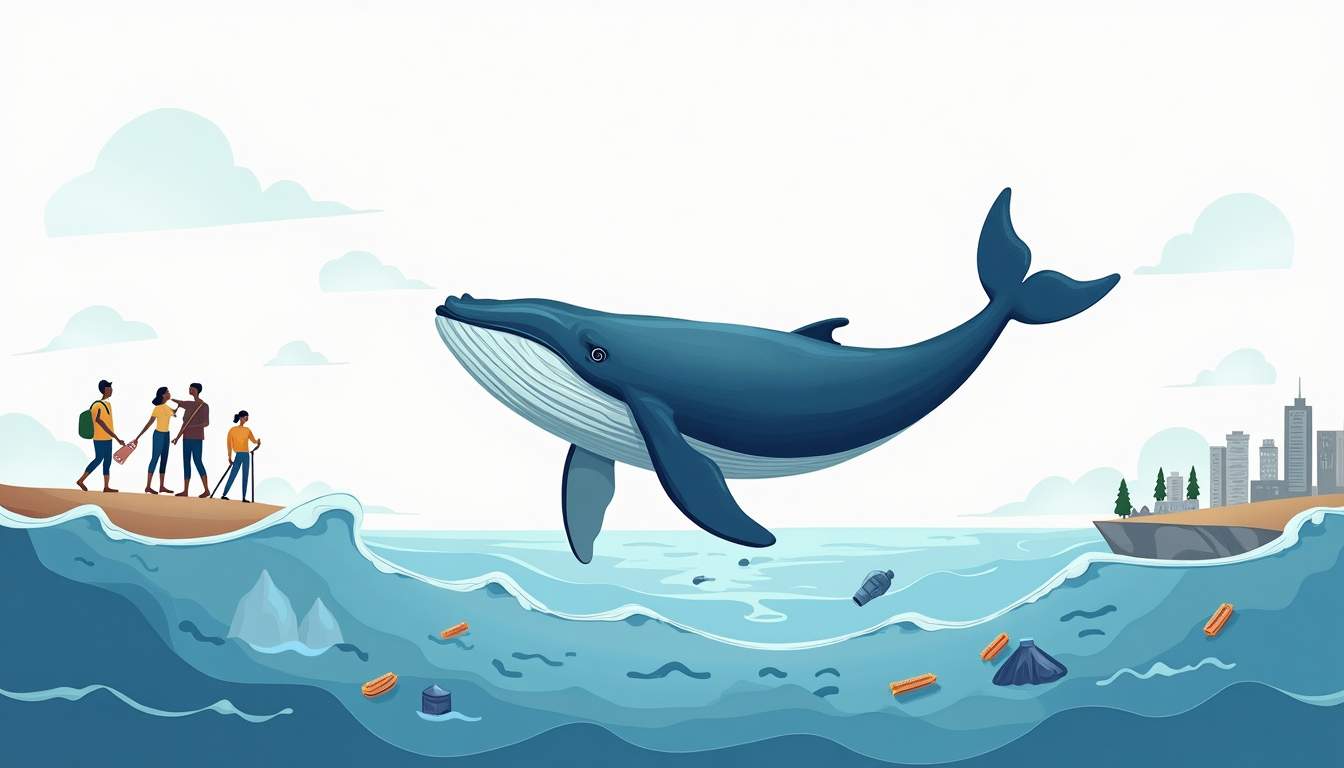
Addressing the plastic threat to whales requires coordinated action on multiple fronts. Reducing plastic production and improving waste management are essential steps. Governments, industries, and communities must work together to limit plastic leakage into the environment.
Innovative Solutions and Policy Measures
Some countries have implemented bans on single-use plastics, while others promote recycling and circular economy initiatives. Advances in biodegradable materials offer alternatives to conventional plastics. Additionally, technologies like satellite tracking and drones help monitor whale populations and identify pollution hotspots.
International cooperation is vital, as whales migrate across national boundaries. Agreements such as the International Whaling Commission’s conservation measures and regional marine protected areas can provide frameworks for safeguarding whale habitats from pollution.
Community Engagement and Awareness
Public awareness campaigns play a crucial role in changing behaviors. Beach cleanups, educational programs, and citizen science projects empower individuals to contribute to ocean health. Supporting organizations dedicated to marine conservation can amplify these efforts.
Simple actions like reducing plastic use, properly disposing of waste, and advocating for stronger environmental policies can collectively make a difference. Every piece of plastic kept out of the ocean helps protect whales and countless other marine species.
The Role of Research in Understanding and Combating Plastic Pollution
Scientific research provides the foundation for effective conservation strategies. Studies on whale health, plastic distribution, and ecosystem impacts inform policy decisions and guide intervention efforts. Monitoring plastic ingestion and entanglement trends helps identify vulnerable species and regions.
Technological Advances in Research
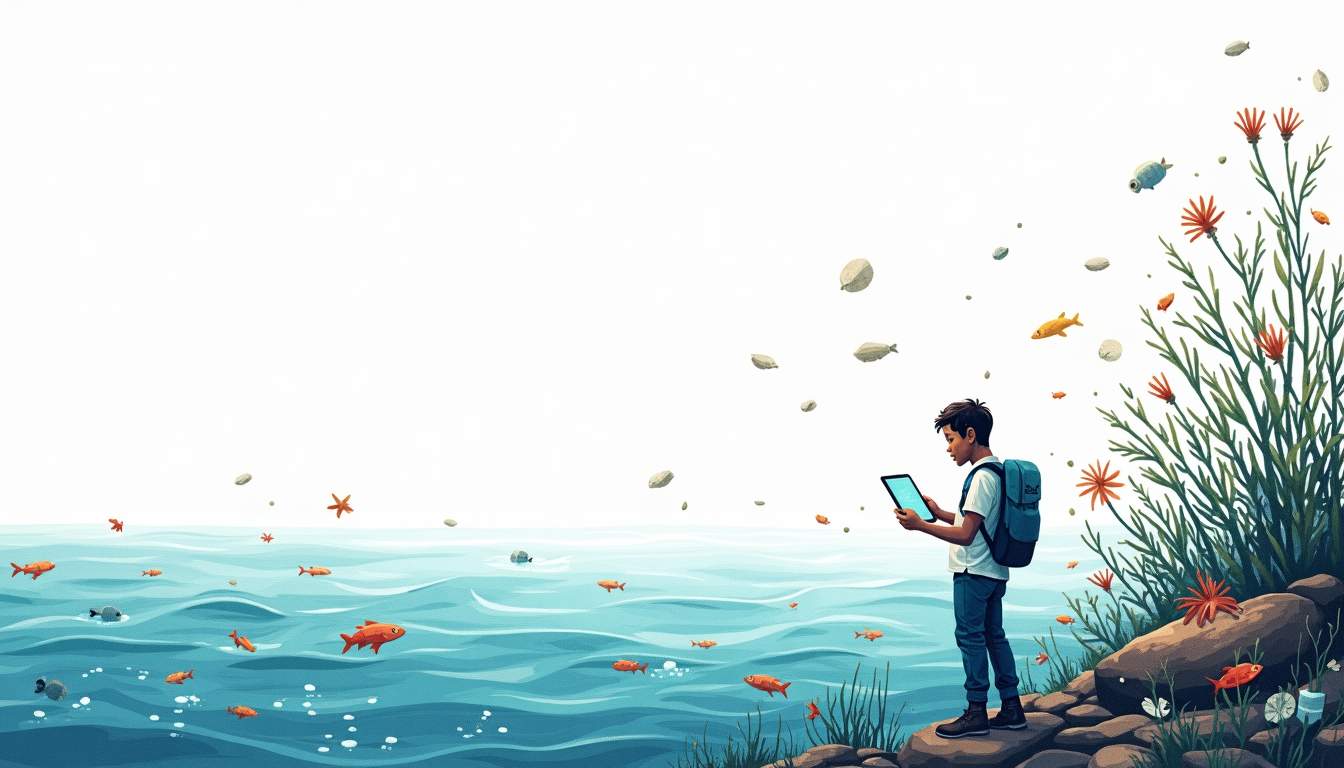
New methods such as drone surveillance, underwater robots, and genetic analysis enhance data collection. These tools allow researchers to observe whales in their natural habitats and assess the extent of plastic pollution with greater accuracy. Collaboration between scientists, conservationists, and policymakers is essential to translate findings into action.
Future Directions
Ongoing research aims to develop better biodegradable materials, improve waste management systems, and understand the long-term effects of plastic on marine life. As knowledge grows, so does the potential to mitigate the impact of plastic waste on whales and the broader ocean environment.
Conclusion: A Call to Protect the Ocean’s Giants
Whales are more than majestic creatures; they are vital components of the ocean’s health. The growing threat of plastic waste demands urgent attention and collective responsibility. Each piece of plastic avoided, each policy enacted, and each research breakthrough brings hope for a cleaner, safer ocean.
Protecting whales from plastic pollution is not just about saving a species-it’s about preserving the intricate balance of life beneath the waves. The choices made today will shape the future of the oceans and the creatures that call them home.
Join Paddle & Pour in the Movement for Ocean Health
As we strive to protect our ocean's giants from the perils of plastic pollution, Paddle & Pour invites you to make a positive impact with every sip of coffee. Embrace your love for the sea and your passion for coffee by choosing our eco-conscious products. With our premium beans and sustainable merchandise, you can enjoy your coffee ritual while contributing to a cleaner ocean. Shop Now and be a part of the change towards a healthier marine ecosystem.