
The Importance of the Ocean to Humans: A Vital Resource
Imagine standing on a beach, watching waves roll in endlessly. That vast body of water isn’t just a beautiful backdrop-it’s a powerhouse that sustains life on Earth and supports billions of people worldwide. The ocean covers over 70% of the planet’s surface, yet its significance often goes unnoticed in daily life. From the air we breathe to the food we eat, the ocean plays a crucial role in human survival and well-being.
The Ocean’s Role in Climate Regulation
The ocean acts as Earth’s thermostat. It absorbs about 30% of the carbon dioxide humans release into the atmosphere and stores more than 90% of the excess heat generated by greenhouse gases. Without this natural buffering system, global temperatures would rise far more rapidly, making the planet less hospitable.
This heat absorption isn’t uniform. Ocean currents distribute warmth around the globe, influencing weather patterns and climate systems. The Gulf Stream, for example, carries warm water from the tropics up the eastern coast of North America and across the Atlantic to Western Europe, contributing to milder winters there. Without such currents, many regions would experience extreme temperature fluctuations. Similarly, other currents, like the California Current, help to moderate temperatures along the West Coast of the United States, creating unique ecosystems that thrive in these temperate conditions. These currents not only impact local climates but also play a crucial role in global weather phenomena, such as El Niño and La Niña, which can lead to significant weather changes worldwide.
But the ocean’s ability to regulate climate has limits. As it warms, it becomes less efficient at absorbing carbon dioxide. This feedback loop poses a serious threat to climate stability. Protecting ocean health is, therefore, essential not just for marine life but for the entire planet’s climate balance. Additionally, the increasing acidity of ocean waters, a direct result of higher CO2 levels, threatens marine ecosystems, particularly coral reefs, which are vital for biodiversity and coastal protection. Coral reefs not only serve as habitats for countless marine species but also act as natural barriers against storm surges and erosion, underscoring the interconnectedness of ocean health and climate stability. The degradation of these ecosystems could lead to far-reaching consequences, affecting fisheries, tourism, and coastal communities that rely on these resources for their livelihoods.
Source of Food and Livelihood
Feeding Billions
Fish and other seafood provide a primary source of protein for over 3 billion people worldwide. Coastal communities, especially in developing countries, rely heavily on fishing for both sustenance and income. Species like tuna, salmon, shrimp, and sardines are staples in diets across continents. The nutritional value of seafood is significant, as it is rich in essential omega-3 fatty acids, vitamins, and minerals that contribute to overall health and well-being. In many cultures, fish is not only a dietary staple but also a central element of culinary traditions, celebrated in festivals and family gatherings.
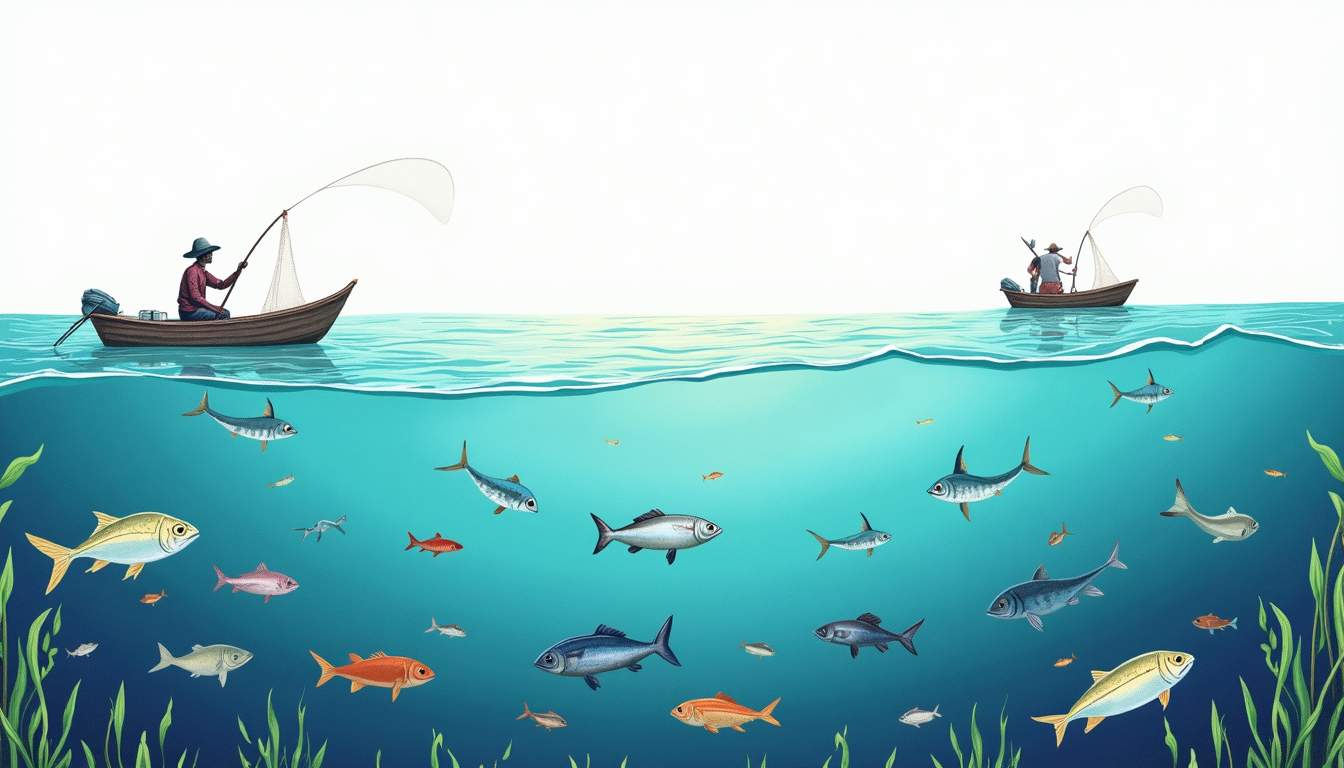
Fishing isn’t just about catching fish; it’s a complex industry involving millions of jobs—from fishers and processors to distributors and retailers. The ocean’s bounty supports economies on local, national, and global scales. In some regions, fishing accounts for a significant portion of GDP and employment. Additionally, the fishing industry fosters community resilience, as families often pass down fishing knowledge and techniques through generations, creating a rich cultural heritage intertwined with the sea. The economic benefits extend beyond direct employment, as fishing communities often engage in ancillary activities such as tourism and local markets, further enhancing their livelihoods.
Challenges Facing Fisheries
Overfishing threatens this vital resource. Many fish populations have declined sharply due to unsustainable harvesting practices. This not only endangers marine ecosystems but also jeopardizes food security for communities dependent on seafood. The impact of climate change exacerbates these challenges, altering fish migration patterns and affecting breeding cycles, which can lead to further declines in fish stocks. As ocean temperatures rise and acidification occurs, the delicate balance of marine life is disrupted, making it increasingly difficult for fishers to rely on traditional fishing grounds.
Efforts to manage fisheries sustainably include setting catch limits, protecting breeding grounds, and developing aquaculture. Responsible fishing practices aim to balance human needs with the ocean’s capacity to replenish itself. Innovations in technology, such as satellite monitoring and data analytics, are being employed to enhance sustainable practices and ensure compliance with regulations. Moreover, community-led initiatives are gaining traction, empowering local fishers to take charge of their resources and implement conservation measures that align with their cultural values and economic needs. These collaborative approaches not only help restore fish populations but also strengthen the social fabric of fishing communities, fostering a sense of stewardship toward the marine environment.
The Ocean as a Source of Medicine and Innovation
The ocean is a treasure trove of biological diversity, much of which remains unexplored. Marine organisms have evolved unique chemical compounds that hold promise for medicine. Researchers have discovered substances in sponges, corals, and marine bacteria that can fight cancer, reduce inflammation, and combat antibiotic-resistant infections. For instance, the compound trabectedin, derived from the sea squirt, has shown remarkable efficacy in treating soft tissue sarcoma and ovarian cancer, highlighting the ocean's role as a vital resource in the ongoing battle against these diseases. Furthermore, the exploration of deep-sea environments has unveiled extremophiles—organisms that thrive in extreme conditions—which possess unique enzymes that could revolutionize biotechnological applications.
Beyond medicine, the ocean inspires innovation in technology and materials science. For example, studying the structure of shark skin has led to the development of surfaces that resist bacterial growth, potentially reducing hospital infections. The way certain marine animals move efficiently through water informs the design of underwater vehicles and robotics. This biomimicry extends to the development of new materials, such as flexible, lightweight fabrics inspired by the properties of jellyfish, which could lead to advancements in everything from athletic wear to protective gear. Additionally, the intricate designs of coral reefs are being studied for their potential to inspire sustainable architecture, showcasing how the ocean's natural structures can inform human ingenuity.
Investing in marine biotechnology could unlock new treatments and technologies that improve human health and quality of life. Protecting ocean ecosystems ensures this potential remains available for future generations. As we continue to explore the depths of our oceans, the collaboration between marine biologists, chemists, and engineers becomes increasingly crucial. This interdisciplinary approach not only enhances our understanding of marine life but also accelerates the development of innovative solutions to global challenges, such as climate change and food security. By fostering a culture of sustainability and respect for ocean habitats, we can harness the ocean's vast resources responsibly, paving the way for groundbreaking discoveries that could benefit humanity for years to come.
The Ocean’s Influence on Human Culture and Recreation
Coastal and island communities have deep cultural ties to the ocean. Traditions, folklore, and livelihoods are often intertwined with the sea. From the Polynesian wayfinding techniques used to navigate vast ocean distances to the fishing festivals celebrated worldwide, the ocean shapes human identity. In many cultures, the ocean is not just a resource but a living entity, revered and respected. For instance, the Maori of New Zealand view the sea as a vital part of their ancestry, with stories and songs passed down through generations that honor their connection to the waters. This profound relationship fosters a sense of stewardship, where communities actively engage in protecting marine environments as an extension of their cultural heritage.
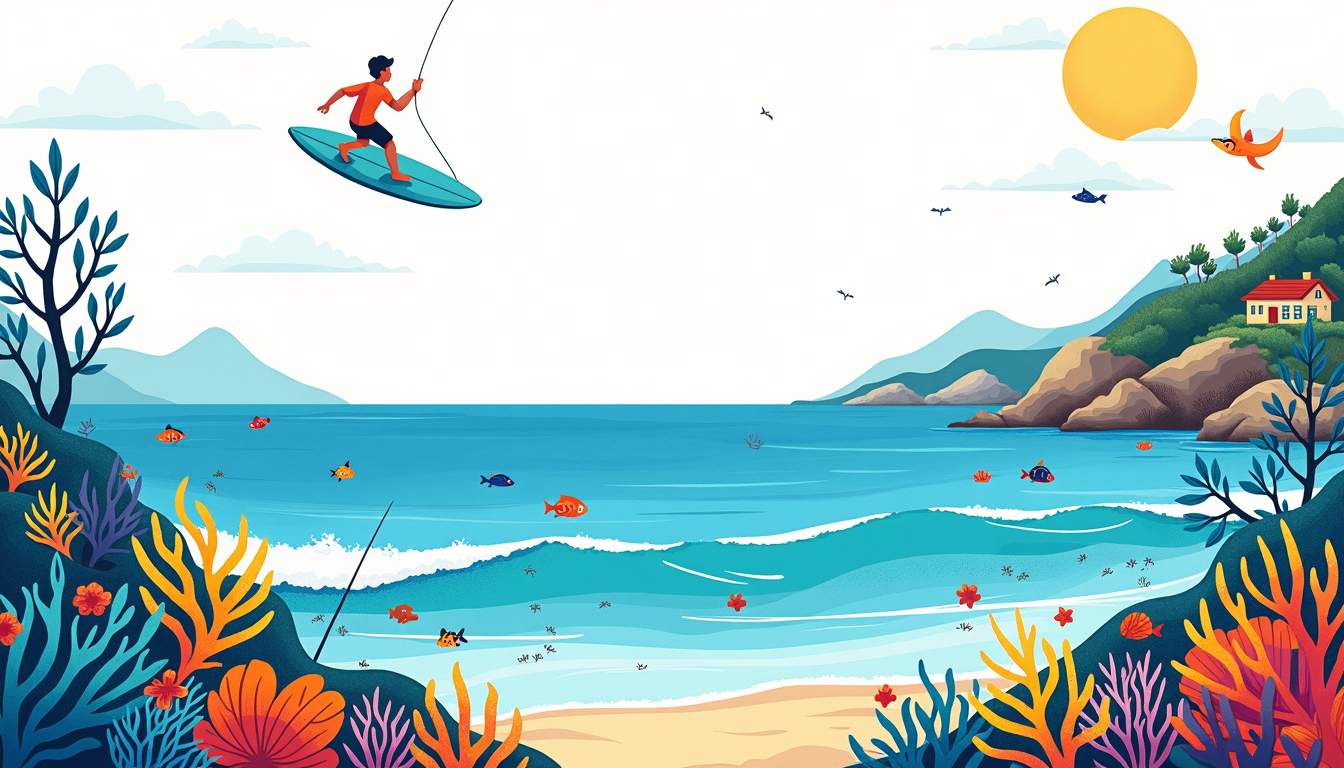
Recreational activities like swimming, surfing, sailing, and scuba diving connect people to the ocean in meaningful ways. These experiences foster appreciation for marine environments and motivate conservation efforts. Surfing, for example, has evolved into a global subculture, with its own rituals, language, and community events that celebrate the thrill of riding waves. Scuba diving opens up a world of underwater exploration, allowing individuals to witness the breathtaking beauty of coral reefs and marine life firsthand. Such encounters often lead to a greater awareness of the threats facing these ecosystems, inspiring many to advocate for environmental protection and sustainable practices.
Tourism centered around beaches, coral reefs, and marine wildlife generates billions in revenue annually. This economic benefit depends on healthy, vibrant ocean ecosystems. Degradation of these environments threatens not only biodiversity but also the cultural and economic fabric of coastal regions. Moreover, the rise of eco-tourism has highlighted the importance of sustainable travel practices, encouraging visitors to engage with local communities and support conservation initiatives. Activities like snorkeling with sea turtles or participating in beach clean-ups not only enrich the visitor experience but also contribute to the preservation of these precious habitats. As awareness grows, more travelers are seeking out experiences that allow them to connect with the ocean in ways that are respectful and beneficial to both the environment and the local cultures that depend on it.
Protecting the Ocean for Future Generations
Despite its vastness, the ocean is vulnerable. Pollution, climate change, habitat destruction, and overexploitation are pushing marine ecosystems to their limits. Plastic waste, in particular, accumulates in gyres and washes up on shores, harming wildlife and entering the food chain.
Marine protected areas (MPAs) offer a way to safeguard critical habitats and allow ecosystems to recover. These zones restrict harmful activities and promote sustainable use. Expanding MPAs globally is a key strategy in ocean conservation.
Individual actions matter too. Reducing plastic use, supporting sustainable seafood, and advocating for policies that protect marine environments contribute to ocean health. The ocean’s well-being is directly linked to human prosperity, making its protection a shared responsibility.
Conclusion: The Ocean’s Indispensable Value
The ocean is far more than a vast expanse of water. It is a life-support system that regulates climate, feeds billions, inspires innovation, and enriches cultures. Its health is intertwined with human survival and quality of life.
Recognizing the ocean’s importance means taking action to preserve it. From local communities to global leaders, everyone has a role in ensuring this vital resource continues to sustain humanity for generations to come.
Support Ocean Conservation with Paddle & Pour
As we acknowledge the ocean's indispensable value, let's also embrace the rituals that connect us to nature's wonders. Paddle & Pour invites you to celebrate the art of coffee while supporting ocean conservation. Our premium beans and ocean-inspired apparel remind us of the serene beauty of the sea with every sip and wear. By choosing our products, you're not just enhancing your coffee experience—you're also joining a community that cares for our planet's lifeblood. Shop Now and make a difference with every purchase.